Tired tropes and racist rhetoric: How Asians became scapegoats in the rockpool row

Quotes from Shane Jones, online comments about rockpools and a headline from RNZ (Image: The Spinoff)
Debate around foragers damaging delicate marine environments quickly turned ugly this month, with online commenters threatening violence and Shane Jones blaming ‘unfettered immigration’. It’s nothing new, writes Eda Tang.
The vulnerable condition of north Auckland rockpools stripped bare by beachcombers has made headlines in recent weeks – and caught the attention of oceans and fisheries minister Shane Jones. The foraging, centred on Army Bay in Whangaparāoa, is for the most part within legal limits, but Jones has asked Fisheries NZ to provide urgent advice on how it can be dealt with*.
Nonetheless, Jones has made his view on the cause of the issue clear. “This particular problem is attributable to unfettered immigration,” he said during an interview on Morning Report last week, having earlier referenced an “ethnic vacuum cleaner” clearing out the rockpools. He didn’t describe the migrants, but he didn’t need to. Some of the expeditions had been organised on Chinese-language websites, he said. Immediately, Jones was challenged by the host for being disparaging of entire cultures, rather than individuals at fault. But the minister doubled down.
“Umm, you’re talking to Shane Jones from the New Zealand First Party who’s a doubting Thomas about mass immigration. The more you have unfettered immigration into New Zealand, the more threat there is to social cohesion and the established rules that we take as our basic culture. So no, I’m not going to be crowded or cancelled by you.”

Jones told the host that while local hapū Ngāti Manuhiri may soon be able to formalise a prohibition, “we don’t want to snuff out what you and I might have taken as a birthright for those of us who enjoy our quality of life as Kiwis. We just need to make sure that our bedrock culture isn’t diluted or tainted by excessive levels of immigration.”
When asked about Jones’s comments, Tze Ming Mok, a researcher of race, human rights and Asian diasporas, let out a huge sigh over the phone. She said the issue is about managing resources in a collaborative and good-faith manner, but the focus for some has turned to ugly racist rhetoric, calling for the deportation of Asians and threats of physical violence. “It’s always the same kind of rhetoric. It’s the idea of the Chinese in particular as pestilential, as a creeping kind of disease here to eat and consume.”
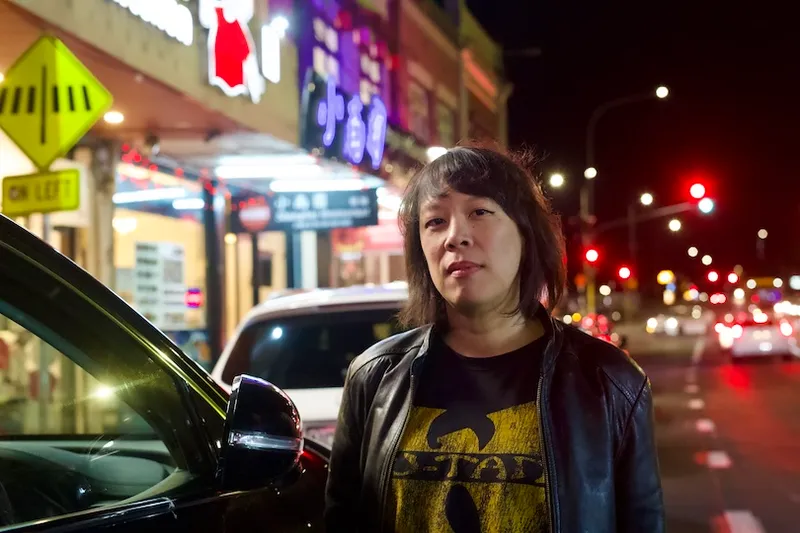
“It’s getting a bit tired, isn’t it? How about political figures don’t try to incite hate crimes against people with dehumanising language and associating ‘unfettered immigration’ with the collapse of New Zealand society? This is not coming from the rockpool groups, right? This is coming from people trying to get political capital out of riling people up and giving opportunities to racists to get real angry about someone,” said Mok.
“What that really risks is violence. We can hear the same old stereotypes, we can hear the same old tropes, we hear the same complaints about the same old tropes, but we tend to avoid the fact that there’s a real risk of authority figures inciting hate crimes against Asians.”
Manying Ip has studied more than a century of anti-Asian immigration rhetoric from both Pākehā and Māori, and the recent rhetoric sparked a sense of déjà vu about the many times Asian immigration has been implicated in environmental issues. Specifically, she harks back to 1994 when Māori Council member and Ngāti Awa spokesman Maanu Paul attributed the depletion of marine life around Auckland and Wellington to Asian immigrants, saying that “Asian people come in and their culture is to take everything”, and “unless we do something soon, we have the potential for racial strife”. Tau Henare, a New Zealand First MP at the time, added that Asian immigrants “are raping our coastline”.
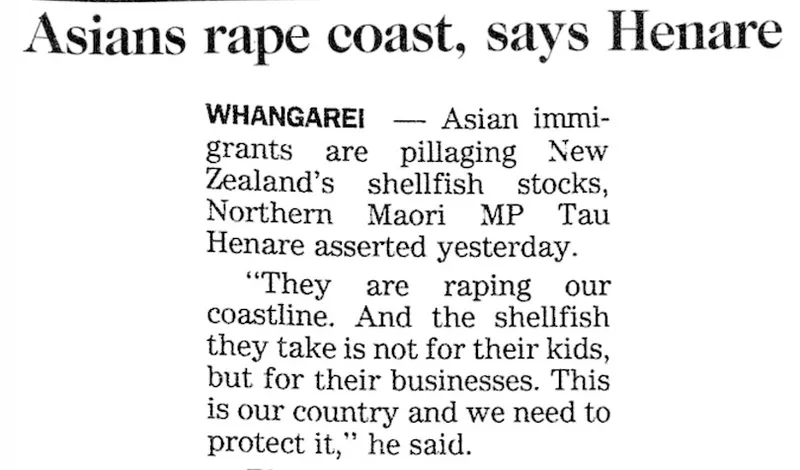
Not only were old tropes repeated, but to the disappointment of a group of Wellington Chinese at that time, these comments came from Māori. “It was painful hearing this from Māori because they are the first people of this country,” remembered writer Kirsten Wong, a member of the group. “To feel like we were being shunned by them was upsetting,” she told The Spinoff.
“The openly racist views were a minority, but I understood the valid concerns from some parts of Māoridom that they had not been consulted about the 1987 immigration law changes that opened New Zealand up to migrants from around the world.”
Wong said the issue was particularly distressing because New Zealand had just voted to introduce MMP, and Asian immigration was a big political football. That year, Paul had also said that immigrants had different rights entirely from Māori or the descendants of Pākehā settlers. “It was easy for people raising immigration concerns to tip into massive stereotyping.” So while some groups wrote to the Race Relations Office, the Wellington Chinese group requested a sit-down with Maanu Paul, which resulted in a public apology.
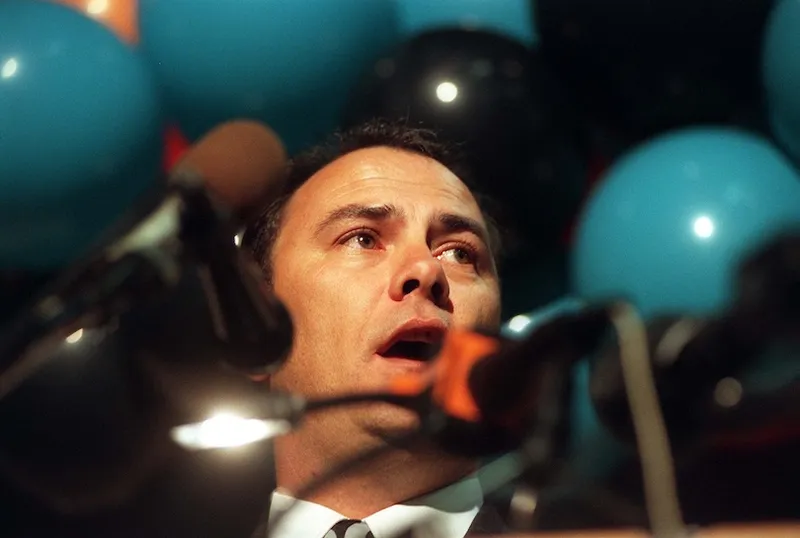
“Maanu Paul was incredibly gracious and diplomatic and apologetic [and] made sure to listen to everybody in the group,” said Wong. “Those sorts of dialogues, and I think that one in particular, really did mark the start of a more general dialogue between Chinese and Māori.”
Ip isn’t surprised that this rhetoric has returned from both the general public and from politicians. “Chinese are a visible minority,” she said. “Anyone who is different could be bad and targeted, and unfortunately, it’s human nature.”
For Ip, the rockpool issue is not rocket science. “Personally, I really feel that it is a lack of communication. Has anyone tried to talk to the people who seem to be offending? The avenue to reach any Asian community or even Asian tourists – there are so many now if they want to use it.
“If there are more people generally, then there will naturally be more people taking seafood, and there will be a depletion. And if you feel there’s depletion, you can actually close the beach.”

Estella Lee is the chair and operator of the Chinese Conservation Education Trust, a charity she co-founded with the Department of Conservation in 2002. She says a prohibition needs to happen as soon as possible, followed by education and regulation.
For decades, she’s educated Chinese people about conservation and sustainability through events, Chinese language radio and newspapers, and group outings to marine reserves. “In the beginning, I was the same. ‘Why so fussy? Why make it such a big issue and so serious?’,” Lee admitted. “But after being here for over 30 years, I’ve seen everything, and I know what kind of damage it can do to our country.”
Before starting the trust, Lee was the owner of a successful travel agency providing tour packages for Chinese people visiting Aotearoa. She suspects that the culprits are largely tourists, if harvesters are arriving in busloads with equipment ready.
From Lee’s observations, it’s down to education – to meaningfully engage locals – and regulation, to enforce limits on tourists and anyone else who just doesn’t know better. A sense of belonging, though not easy to create, also gives people the tendency to protect the land, she added.
A Chinese Whangaparāoa local, Robert (not his real name), fears that if the real issue isn’t talked about, “we may come to stand against each other”.
“This conflict on the beach is actually a symptom of a massive failure in government leadership. The beach gatherers are following the rule of law. The local people are looking at this from more of a moral perspective.”
He commented on the Chinese language social media app RedNote that lobbying for a change in government regulation is where the community energy needs to go: “Before the new immigrants gets to pick up the local customs, they don’t know the boundaries. Thats why the law is the best way to get them on board.” [sic] He said that the harvesting limit should have been changed a long time ago to “reflect the tensions and pressures that our oceans are facing”.
Robert feels that the blame has fallen on Chinese, despite finding that most of the Chinese people he has engaged with on this issue on RedNote disagree with the pillaging of the pools and support a ban on recreational fishing and gathering. He said that while his two children are taught at school to be kaitiaki for the environment, he fears that one day, while exploring the rockpools, they’ll be told to “go back to where they came from”.
*Update, January 28, 10.20am: A statement sent from Shane Jones this morning says he has received advice on a range of possible restrictions to gathering from rockpools and he will be making a decision in the next week.


