A UN report says global warming will rise to 2.1C – 2.9C based on the world’s current climate pledges. As COP27 kicks off on Sunday, the focus is shifting to adaptation, writes Anna Rawhiti-Connell in this excerpt from The Bulletin. To receive The Bulletin in full each weekday morning, sign up here.
No new pledges from New Zealand for COP27
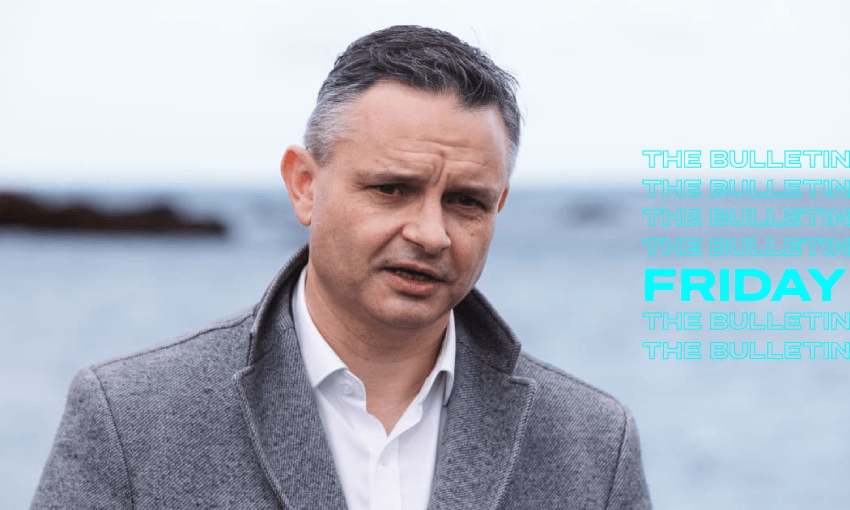
A UN report published ahead of the 2022 UN climate change conference (COP27) found there is “no credible pathway” to keep the rise in global temperatures below the key threshold of 1.5C. As Stuff’s Olivia Wannan reports, climate change minister James Shaw heads to COP27 in Egypt this year with no new pledges which he says is because of the long-awaited verdict of a climate court case. The case in question involves a group of climate-concerned lawyers arguing that the carbon-cutting budgets proposed by the Climate Change Commission were inconsistent with New Zealand climate law. The High Court has not yet returned a judgement.
War and geopolitical tension loom over conference
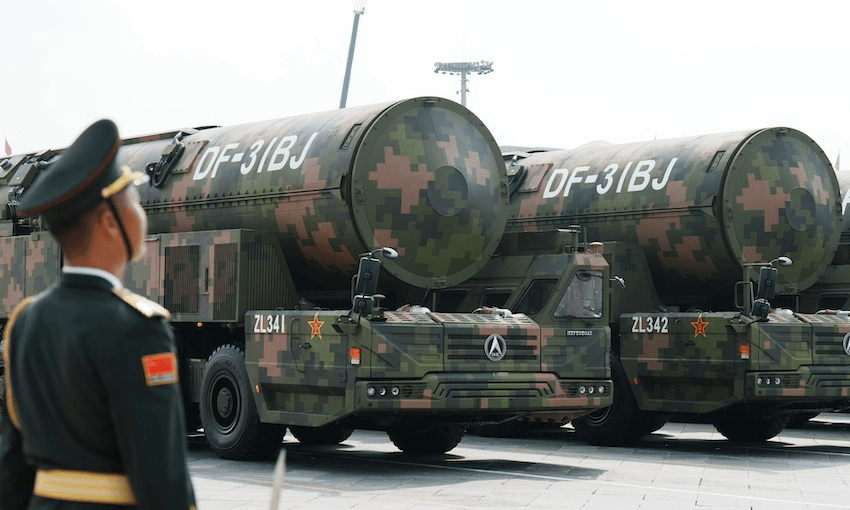
This year’s conference exists in the shadows of geopolitical tension. Speaking to the Herald’s Thomas Coughlan (paywalled), Shaw said the breakdown in the US-China relationship would make things difficult. Previous cooperation on climate change between the two countries came to a halt after China stopped climate talks with the US in retaliation against Speaker Nancy Pelosi’s visit to Taiwan in August. The Age’s Nick O’Malley writes that despite that, both countries have made progress. China is deploying renewable energy at an “eye-watering pace” and the US has committed to a $400b investment in clean energy initiatives and transition from fossil fuels.
What’s on the agenda for COP27
Reuters has a good overview of the main issues on the agenda for the conference this year. This year’s conference is being billed as the “African COP”, with developing nations asking that developed nations step up to meet the finance pledge they made in 2009. Developed countries have yet to meet their pledge to deliver $100b a year in climate finance. About a quarter of that financing has gone to projects for adapting communities for a warmer world. Low-income and climate-vulnerable countries want to ensure that the share spent on adaptation is doubled by 2025.
In confronting reality, there is cause for hope
Finally, I’ll leave you with this extraordinary piece of work from David Wallace-Wells of the New York Times written to coincide with COP27. Beautifully crafted, it’s a thorough examination of where we are right now, laced with acceptance, and through that, some hope. Wallace-Wells writes that “For decades, visions of possible climate futures have been anchored by, on the one hand, Pollyanna-like faith that normality would endure, and on the other, millenarian intuitions of an ecological end of days…Neither of those futures looks all that likely now, with the most terrifying predictions made improbable by decarbonization and the most hopeful ones practically foreclosed by tragic delay.”