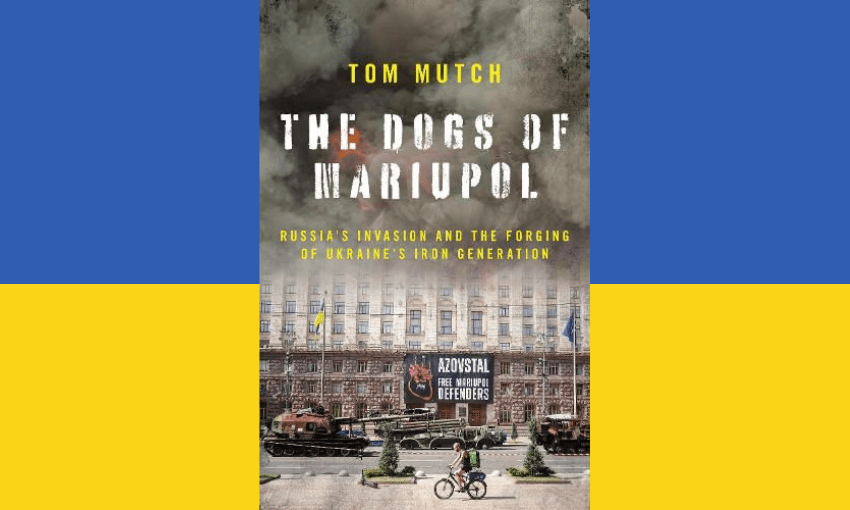


Kyrylo Cyril Kutcher reviews The Dogs of Mariupol: Russia’s Invasion and the Forging of Ukraine’s Iron Generation by New Zealand writer Tom Mutch.
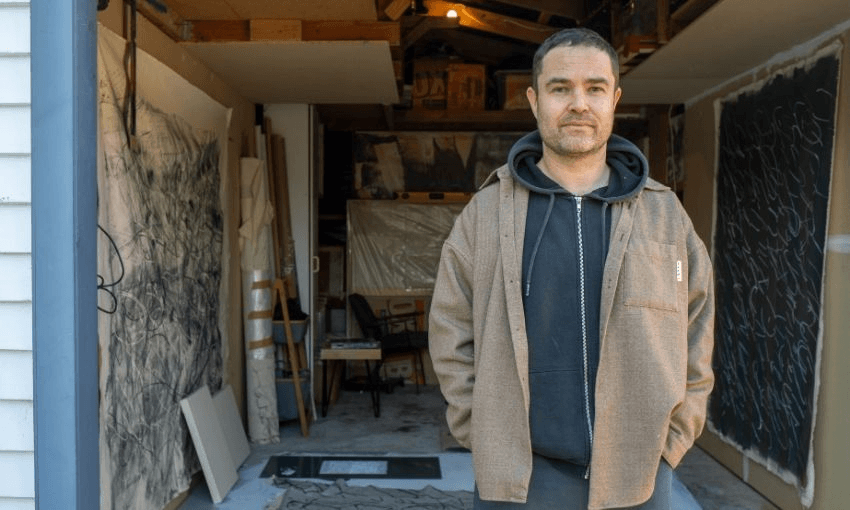
A Canterbury-born New Zealander, Tom Mutch, spent most of 2022–24 in Ukraine reporting on Russia’s war against its sovereign western neighbour, from all the breadth of the frontline. His account is delivered in a distinctly Kiwi style — honest and straightforward, avoiding exaggerations, inclusive and community-minded. Mutch’s story is a timely and sobering glimpse into a war that the world might already be plunging into – a war from which no country is insulated from, no matter the distance.
The book is a call to action to the entire international community, but particularly to Mutch’s home country, Aotearoa New Zealand. Mutch urges people to care about the struggle of Ukrainians as if they were their own neighbours in trouble.
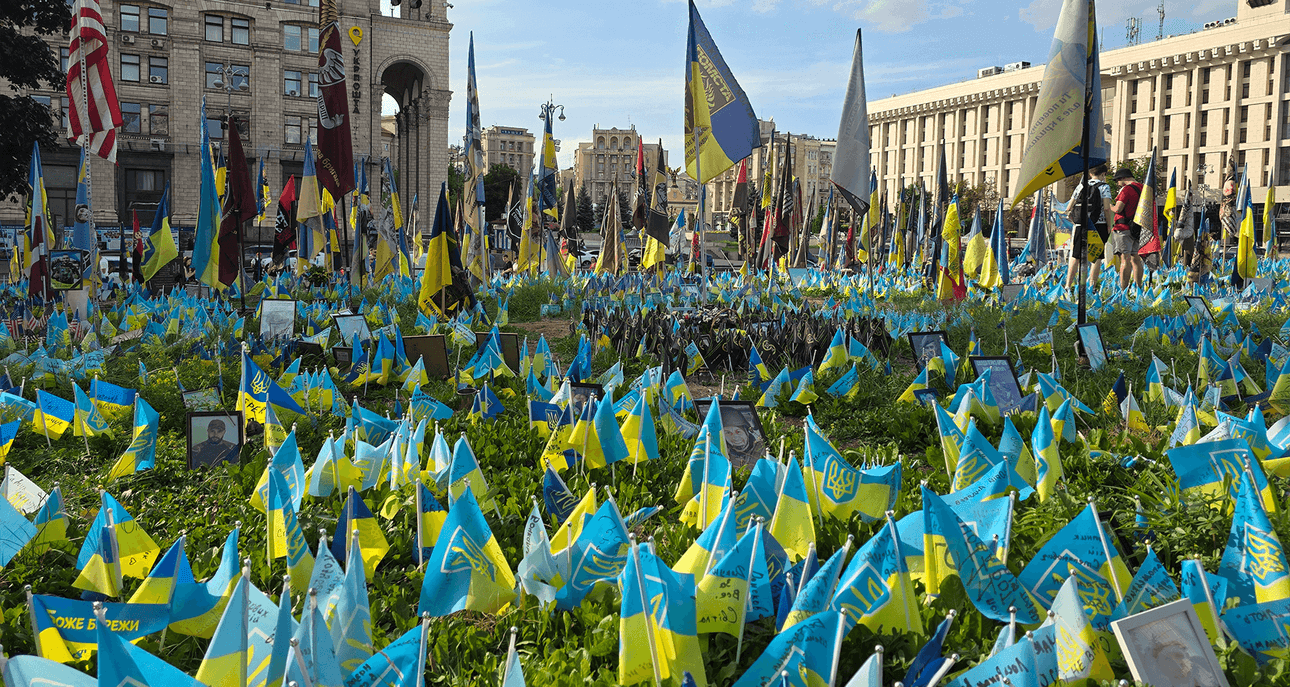
The Dogs of Mariupol provokes reflection at the very first glance: a photograph from a main street in Kyiv is spotlighted on the book’s cover. The choice of the title was influenced, in the author’s own words, by the constant howling of dogs in Mariupol — a Ukrainian port city on the Sea of Azov he had just returned from — which, to him, heralded the horrors of hell that were about to break loose.

Mutch tells the story of the largest contemporary European war through his own observations, through conversations with Ukrainian citizens, and through the accounts of emigrated or captured Russians and international observers. He praises Ukrainian courage, resilience, inventiveness and selflessness, and reveals how the country’s most brilliant and promising youths, along with the entire nation, have been transformed into a cohort hardened by the fire and the iron of the existential struggle against the Russian invasion.
Mutch finds Ukrainians very similar to his fellow New Zealanders and admires their care for the most vulnerable members of their communities. Comparing himself to a rider of Tolkien’s Kingdom of Rohan, Mutch sallies forth through towns and villages, helping the world witness the dedication and heroism of Ukrainian medics and volunteers, the fortitude and bravery of its soldiers, and the perseverance and rootedness of civilians.
Mutch speaks with Ukrainians living overseas to understand the attitude of those who left. He recalls accounts of witnesses to despicable crimes that Russia has committed against Ukrainians. Mutch also speaks with Russians living abroad – for example, in Georgia – and retells their perspectives on the ongoing war and how it should end. His stories include those of escapees from the occupied territories, liberated survivors and exchanged prisoners of war.
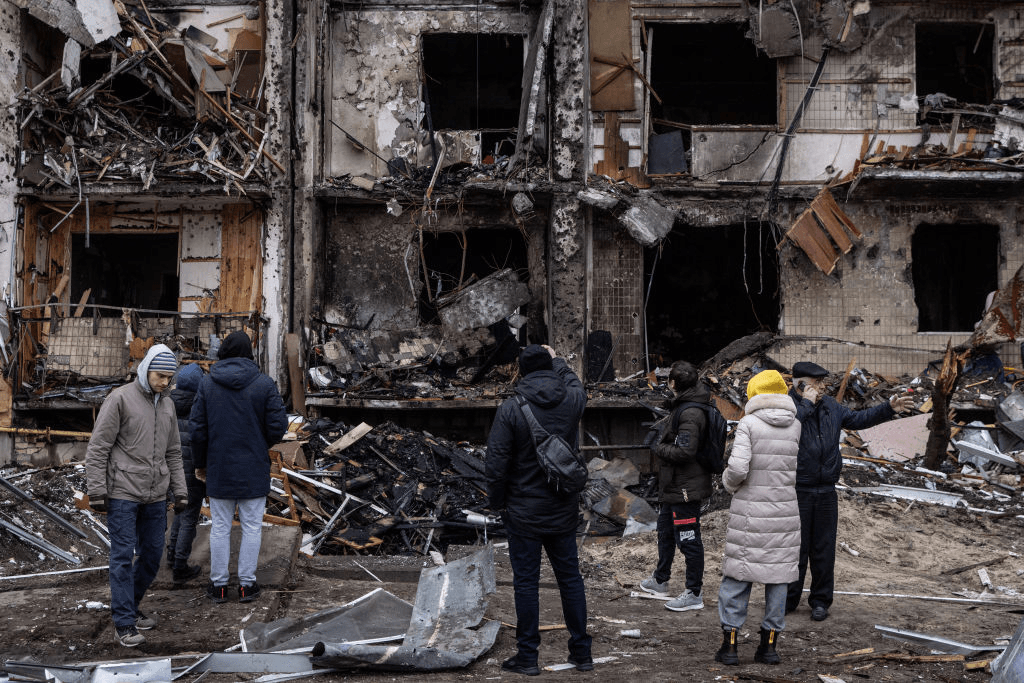
The author discovers and shares the profound chasm in mentality between the two nations at war: the majority of Ukrainians, while being tolerant and sometimes even politically apathetic in peacetime, have always seen themselves at times of crisis as capable of steering their nation’s destiny. On the other side, the Russians are characterised as predominantly chauvinistic and arrogant towards their neighbours, and have always claimed victimhood to circumstances and powerlessness in their own country, shifting the blame toward the governing regime.
Mutch elaborates on the role of international support for Ukraine. He criticises the Western allies for dragging their heels on required weapons “when they could make the most difference” and save lives – he suggests that the hesitation was one of the causes for Ukraine’s 2023 counteroffensive stalling. Mutch identifies the United Kingdom as the most committed and emotionally engaged ally of Ukraine and shames the United States for what he characterises as essentially a betrayal after the change of administration in Washington.
The author concludes the book by demonstrating that the implications of Russia’s lawless invasion of a sovereign state are far-reaching. Mutch builds an argument that global disorder is here and the war in Ukraine is its herald. “This is a reshaping of the world order, and we should all be very concerned about that” — the author quotes Tenby Powell (founder of Kiwi Kare), warning about very probable regionalisation or even globalisation of the war.
Mutch observes that “the Russians had brought entirely upon themselves” what Putin claimed to avoid — armed-up “anti-Russia” Ukrainians now decisively seeking to join a defensive military alliance, NATO’s tanks and missiles firing at Russia’s soil during the Ukrainian counterattack into the Kursk region in 2024. On the other side, North Korean troops and Iranian drones entered the battlefields in Europe at the behest of Moscow, and China is hinted at by the author’s interviewees as a potential next threat to peace in the Pacific region.
Mutch underscores that the invasion of Ukraine, the state which gave up its nuclear weapons for formal international security assurances in 1994, by the very nuclear power who guaranteed it and to whom those weapons were transferred — Russia — has triggered an irreversible global reaction of disillusionment about nuclear non-proliferation. Ukrainians and other nations see international institutions and laws increasingly incapable of protecting peace and voice the need to re-acquire nuclear weapons to ensure deterrence from the abuse by those who already have them. Finally, Mutch reveals that drones are confidently becoming an effective and cheap mass weapon of war.
Despite the warnings of grave international repercussions and an evocative reminder about “thousands of tormented souls calling for help” (a phrase from the diary of a Mariupol refugee) from the occupied territories, the author remains full of hope and gratitude. Mutch acknowledges that his experiences have given him “a deep appreciation […] of the rich and varied traditions and the extraordinary inventiveness of a people and a nation”, whose history, culture and resilience defy humiliating association with “Little Russia”, a term unfairly imposed on Ukraine and its people for years by those echoing Moscow’s imperial narrative and unfamiliar with their true identity.
In hobbit fashion (or rather, in the fashion of the few who ever dared) Tom Mutch ventured far beyond the quiet borders of comfort into a dangerous world and emerged from the ordeal of war with a story rich in hard-earned insights and humanity. Mutch honours Ukraine’s depth and dignity, but also challenges readers to reconsider what they thought they knew about the morality and realities of this war, and about the resilience of ordinary people in extraordinary times.
The Dogs of Mariupol: Russia’s Invasion and the Forging of Ukraine’s Iron Generation by Tom Mutch can be ordered through Biteback Publishing, or through independent bookshops on BookHub.