What is ‘cli-fi’ and why is it so hot right now?

What do these books have in common?
Made possible by
Are you a fan of The Overstory by Richard Powers? Parable of the Sower by Octavia E. Butler? Oryx and Crake by Margaret Atwood? Then you’re a fan of cli-fi.
What is cli-fi?
Climate fiction. Did you think it was going to be something else? Cli-fi is skirting very close to clit-fic, innit. But that’s a story for another time.
Climate fiction places humans under stress due to a climate-changed Earth. Very often cli-fi books have a science fiction leaning that explores speculative, alternative or future worlds. At its heart, cli-fi is asking us to look at what the world might be like to live in during or post the climate apocalypse. Most of the time, cli-fi is heavily dystopian in tone although many cli-fi tales contain that necessary human capacity to imagine and invent ourselves into a better world.
So, that’s fiction about Earth… right now?
Sometimes, mostly not, but this is what’s quite scary about the genre. It’s getting harder and harder to distance fiction from reality as the world experiences more and more climate-related calamities such as floods, fires, storms, rising sea levels, habitat loss, extinctions and the human stresses and shifts that go with those.
But when we talk about cli-fi we are usually in the realm of either an alternate history or a speculative future where the worst has happened and the Earth is fucked and the story finds its foundations in the questions: how did we get here? And how might humans adapt and survive?
Why are we talking about cli-fi today?
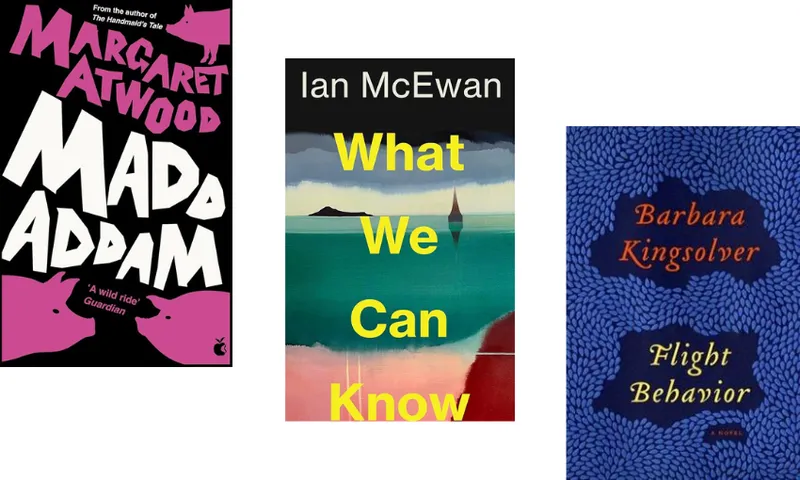
Ian McEwan’s latest novel (his 18th) What We Can Know is currently on the bestseller lists. It’s a cli-fi tale set in 2119 and told by Thomas Metcalfe, a now-rare humanities professor. Through Metcalfe’s eyes we look back on the times we’re living in right now. People in McEwan’s future call our time on Earth “The Derangement” because while we had all the data and facts about climate change, we didn’t do anything about it. The world has also been subjected to nuclear war and for a time the internet was lost, returning systems of trade and community to something resembling the Medieval period. This is a prevalent idea in cli-fi dystopias: that society as we know it will revert to a state we thought we’d long moved on from.
So is cli-fi a contemporary genre?
The term is certainly new. Cli-fi is said to have been coined by journalist Dan Bloom who claims to have used the term in a 2008 blog post (no longer accessible); and later, in 2012, he called Jim Laughter’s 2012 novel Polar City Red, about climate refugees in a post-apocalyptic Alaska, a “cli-fi” in PR materials he was creating for the book.
The term really took off around 2013 when Barbara Kingsolver’s novel Flight Behaviour was shortlisted for the Women’s Prize and mainstream media paid attention to the climate change theme – in the book, the arrival of millions of monarch butterflies signals troubling environmental shifts – and attached the term cli-fi to it. MaddAddam by Margaret Atwood was also published in 2013 – the final book in her cli-fi trilogy. The first two novels, Oryx and Crake, 2003; The Year of the Flood, 2009, are retrospectively labelled cli-fi though they weren’t at the time.
Other novels that shaped the genre include Barkskins (2016) by Annie Proulx, The Bone Clocks (2014) by David Mitchell, The Overstory (2018) by Richard Powers, The Ministry for the Future (2020) by Kim Stanley Robinson, and Noor (2021) by one of the greatest sci-fi writers of our times, Nnedi Okorafor.
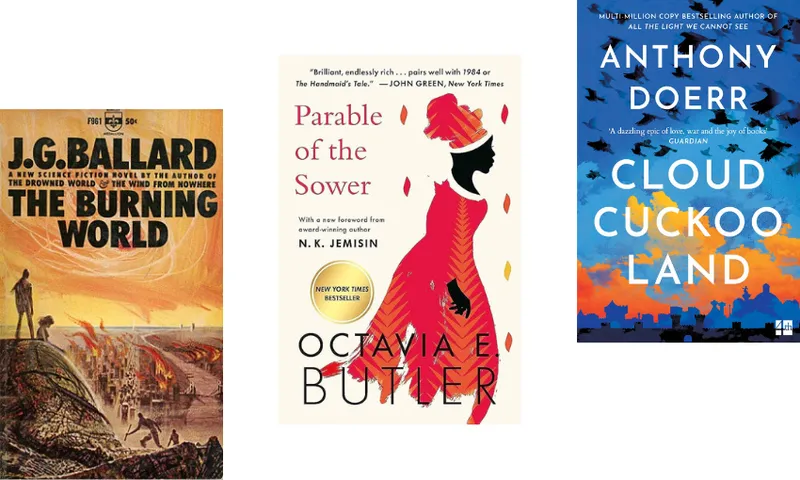
But fiction responding to the human destruction of the planet has been around a long time. Before “cli-fi” existed there were novels like Octavia Butler’s Parable of the Sower (1993) which is now seen as a classic of the genre. The book is set in a post-climate apocalypse where people are displaced and inequality is rife. The main character, Laura Olamina, can feel the pain of others (extreme empathy) and conjures a new religion called Earthseed.
Even earlier are the novels of JG Ballard who, in The Drowned World (1962), imagines a post-global warming dystopia in which the seas have risen and temperatures have forced most to live in the North and South poles; and in The Burning World (1964) humans are living in a desperate, relentless drought.
I even wonder if you can explode the genre further and look at Noah’s Ark, for example, a story about how God punished humans for being dicks to each other by sending in a flood. And if you can accept that as a climate fiction then many, many ancient stories that involve how humans are impacted by the changes in our environment could be sub-genres, or origins, of cli-fi.
Do we have Aotearoa cli-fi?
Yes. Tim Jones’s 2019 novella Where We Land is a high-stakes story about climate refugees; and his 2023 thriller, Emergency Weather, imagines the lives of three Wellingtonians faced with a climate apocalypse.
Other Aotearoa cli-fi books include Octavia Cade’s The Stone Wētā about underground (literally) scientists smuggling climate data across borders; A.M. Dixon’s New Dawning, the start of The Edge of Light trilogy set in a climate-ravaged future; Scorchers: A Climate Fiction Anthology that includes short stories from Witi Ihimaera and Patricia Grace; and Brannavan Gnanalingam’s Sodden Downstream follows Sita (a Sri Lankan Tamil refugee) trying to get to her cleaning job in the middle of a one-in-a-century storm in Wellington.
There’s plenty more and not just in fiction but also woven through our poetry – like that of Ash Davida Jane, Rebecca Hawkes, essa ranapiri and many others. No Other Place to Stand is an anthology of climate change poetry from Aotearoa and is a rich resource for those interested in how our most lyrical writers approach the subject.
So cli-fi exists in other mediums, too?
Oh, hell yeah. That Apple TV series Silo, about a climate devastated Earth where all humans now live in literal, huge siloes, was based on the Silo trilogy of books – Wool, Shift and Dust – by Hugh Howey.
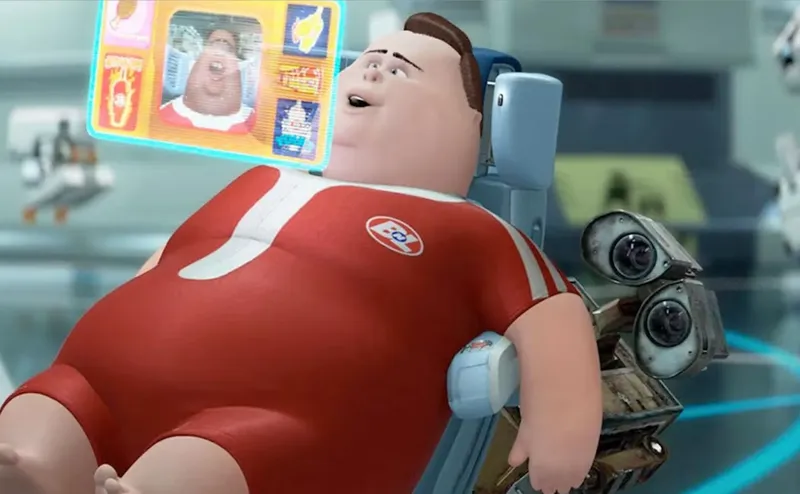
But one of the best Cli-fi films is of course Pixar’s WALL-E about a sweet little robot left on Earth to clean up our mountains of crap while the last humans buzz around in space, obsessed with their screens, waiting for the green shoots to return back home. Then there’s the Jurassic Park franchise which brings the climate crisis into its most recent film, Jurassic World Rebirth; the infamous Kevin Costner flop, Waterworld (was it that bad? Are we due for a reassessment?); Don’t Look Up, a climate crisis allegory about an impending meteor collision that nobody gives fig about; and a ton more.
Basically, from here on in it’s going to be hard to find art that isn’t Cli-fi.
OK I’m interested. Where should I start?
Parable of the Sower by Octavia E. Butler
Death of the Author by Nnedi Okorafor
Cloud Cuckoo Land by Anthony Doerr
The Raven’s Song by Bren Macdibble and Zana Fraillon (also great for ages 10+)
Scarlett & Browne trilogy by Jonathan Stroud (also great for teens)
The Road by Cormac McCarthy
The Overstory by Richard Powers
The Year of the Flood by Margaret Atwood
Where We Land by Tim Jones
The Spinoff Books section is proudly brought to you by Unity Books and Creative New Zealand. Visit Unity Books online today.

Claire Mabey
Claire Mabey is a children's author of The Raven's Eye Runaways, The Raven's Eye Rebellion, and a picture book Cass and the Beast illustrated by Jill Calder. For a long time Claire worked on literary festivals and is the founder of Verb Wellington. She lives in Te Whanganui-a-Tara with her partner and son.


