Introducing Aotearoa’s next poet laureate

Who is New Zealand’s next poet laureate?
Made possible by

An interview with the latest in a line-up of exceptional Aotearoa poets whose job is to advocate, promote and write poetry.
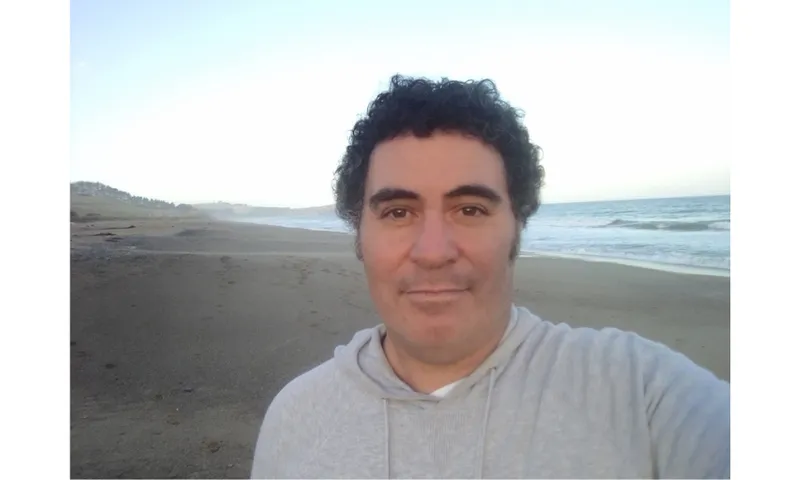
Robert Sullivan (Ngāpuhi, Kāi Tahu) is Aotearoa’s 14th poet laureate. The news breaks today on Phantom Billstickers National Poetry Day – a nationwide celebration of poetry in all its forms (see the event calendar, here).
Sullivan is the author of more than 12 books, including Hopurangi—Songcatcher: Poems from the Maramataka which was shortlisted for the Mary and Peter Biggs Award for Poetry at the 2025 Ockhams. He is a widely known and respected writer and teacher (Sullivan is associate professor of creative writing at Massey University) with a gently continuous presence in Aotearoa’s literary worlds.
Aotearoa has had a poet laureate since 1997 when Bill Manhire was awarded the honour in collaboration with Te Mata Estate winery. Hone Tuwhare followed in 1999. In 2007 the National Library of New Zealand took over guardianship of the role and now manages the nominations and panel discussion that leads to the final selection. Laureates are usually appointed for a term of three years, though the most recent laureate, Chris Tse, and the one prior, David Eggleton, both had their terms extended because of the interruptions that Covid caused.
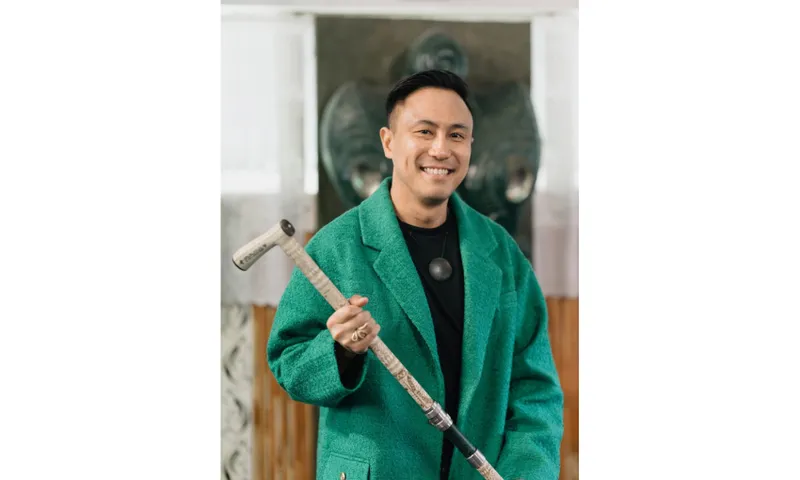
Laureates are required to advocate, promote and write poetry and are supported to do so with $150,000, the majority going to the poet with the rest (about 20%) retained by the National Library to use for events, promotion and the commission of the laureate’s tokotoko (each one created especially by artist Jacob Scott). Like the tokotoko, each laureate moulds the role to suit their own interests and preoccupations. Chris Tse was a bold and imaginative laureate whose tenure included events that celebrated queer poetry, writers of colour and poetry in performance.
I spoke to Sullivan the day after he learned that he’d been chosen to pick up where Chris Tse left off.
Claire Mabey: Congratulations, Robert! How do you feel?
Robert Sullivan: It’s still sinking in. I told my mum even though it’s all embargoed. She’s really happy for me.
CM: What does it mean for you?
RS: I’ve been doing this for decades – I started writing when I was 18. I’ve always been really lucky. So in a way, I sort of see it in terms of all the people that have helped me along the way. It’s not just about me, it’s about my whakapapa, my tupuna who helped me write, even the ones who aren’t here – I’ve always felt their presence.
And of course I’m really grateful to poetry itself because it made me. It enabled me to say stuff that I needed to say at the time, and it still does.
CM: The poet laureate is a real role – a job in this literary world. I wondered if you’d had a chance to think about what you might do with it?
RS: When I got this wonderful news, I started looking at what other poets laureates have done. The British ones are there for a longer period but what I admire in those UK poets is they stay themselves – they find an aspect to focus on. So I’m going to find an aspect to focus on too. Simon Armitage [current UK poet laureate] focusses on ecological poetry; Ted Hughes fitted the role more literally, he celebrated at the personal level. I think that’s where I want to stay. I want to stay at the personal and those particulars that we find moments of joy in.
CM: Joy feels necessary and important at this particular juncture in the world. You mentioned the magic of poetry earlier – do you think we all need poetry, literature at large, to re-enchant ourselves to humanity? Does that make sense?
RS: Poetry gets to the heart of what makes us people. We’ve had poetry as we’ve evolved – before words even were uttered there were sounds that resembled poems. I’m making a gigantic leap here, but it makes sense to me – but if you just look at all the creatures around us, the birds and other animals, you can see how they communicate emotionally. So of course we also had that emotionally centred art called poetry before we had words.
CM: What do you think of New Zealand’s poetry scene at the moment?
RS: It’s amazing. There’s so many successful younger writers: I think about Rebecca Hawkes, Essa May Ranapiri, Tayi Tibble – they’re pumping out vibrant work that has something to say while being true to where they’re at in their lives. There’s a real kaupapa I feel – a real purpose in the newer poets coming through.
CM: I’ve always felt that the poetry community is incredibly supportive – is that true for you?
RS: Yes, absolutely. I started out in performance poetry, believe it or not. Back in the day I used to do Poetry Live and the Masonic readings in Devonport and that community was so supportive. And even with page poetry you know you’re always in dialogue with other poets.
CM: You’re continuing an incredible line of laureates – how does it feel to be among them?
RS: It’s lovely. One of my mentors is Michelle Leggott [poet laureate 2007–2009] who’s been a champion of poetry. Selena Tusitala Marsh [poet laureate 2017–2019] supervised my PhD and now she’s our Commonwealth poet laureate, an amazing achievement.
When I was much younger, I was really lucky to have done a reading with Hone Tuwhare and spent some time with him. It was truly magic. I always dip into his poems for that kind of special energy. It’s almost environmental with him, because he’s a water poet.
CM: What was he like in person?
RS: Such a generous, warm and loving guy. I didn’t know him very well, but he immediately sussed out where I was from, being from Ngāti Manu, and he talked about a tangihanga that he went to for one of my tupuna – he knew more about my whakapapa than I did at the time, so it was a special conversation.
But what I really admired in him was his integrity for poetry as an art form. Poetry for him had equal status with fiction writing.
CM: What are you working on right now?
RS: Funnily enough, I’m working on a children’s book, and I’m doing a collaboration with the Australian poet John Kinsella. I’ve also got a collection of essays co-edited with Anna Jackson and Dougal McNeill on 10 new New Zealand poets, including Chris Tse and Tayi Tibble.
CM: Do you have a favourite poem you return to?
RS: There are two. There’s William Blake, who I love because he’s got this wonderful line from The Marriage of Heaven and Hell: “energy is an eternal delight”. And then there’s Hone Tuwhare – I’m always quoting his haiku:
Stop
your snivelling
creek-bed:
come rain hail
and flood water
laugh again.
The Spinoff Books section is proudly brought to you by Unity Books and Creative New Zealand. Visit Unity Books online today.

Claire Mabey
Claire Mabey is a children's author of The Raven's Eye Runaways, The Raven's Eye Rebellion, and a picture book Cass and the Beast illustrated by Jill Calder. For a long time Claire worked on literary festivals and is the founder of Verb Wellington. She lives in Te Whanganui-a-Tara with her partner and son.


