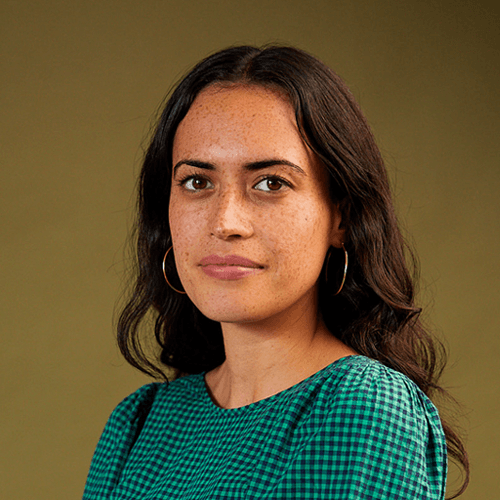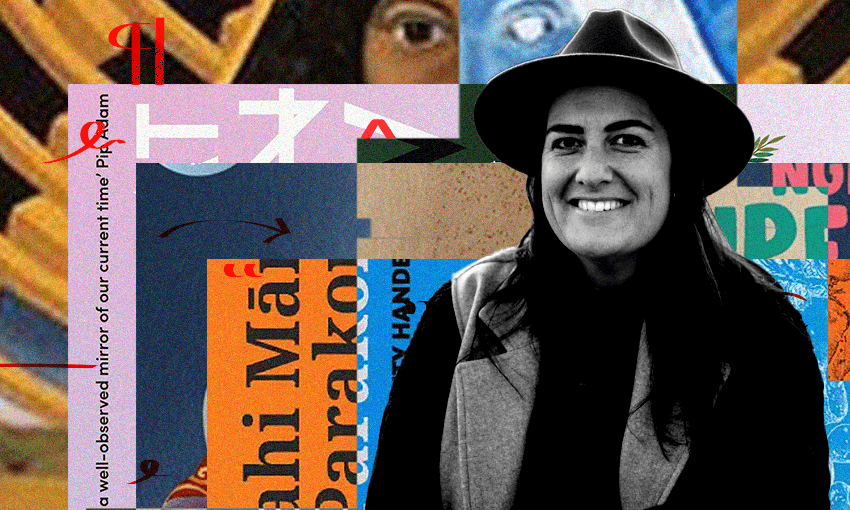

Welcome to The Spinoff Books Confessional, in which we get to know the reading habits of Aotearoa writers, and guests. This week: Qiane Matata-Sipu (Te Waiohua, Waikato, Ngāpuhi, Ngāti Pikiao, Cook Islands), author of Ngā Kupenga a Nanny Rina (illustrated by Isobel Joy Te Aho-White) which is up for the Wright Family Foundation Te Kura Pounamu Award at the 2025 New Zealand Book Awards for Children and Young Adults.
The book I wish I’d written
I know it probably takes the fun out of answering these kinds of things, but I don’t wish to have written any other books than my own. All the incredible stories and kōrero that I immerse myself in as a reader are a direct reflection of the remarkable writers who penned them. They inspire me to push myself further, to challenge my thinking and to value the stories I have waiting. I wish to champion them and their mahi so we can all make different sized ripples and the puna can overflow.
Everyone should read
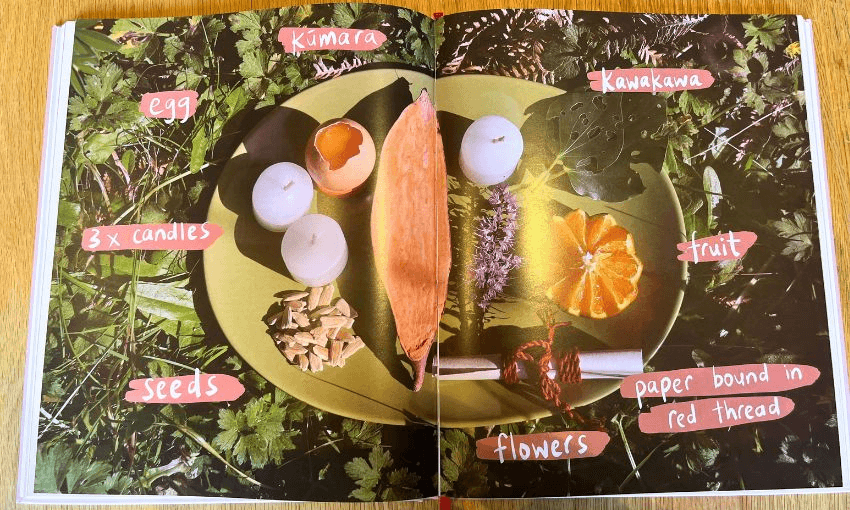
Native Ritual: a Mana Wahine Sourcebook by Ngahuia Murphy because it houses mātauranga that colonisation tried to lose in the lashings, scrape off the tongues of tūpuna and bury in the ashes of the whare wānanga. Ngahuia reminds us of the importance of ceremony, rites of passage and ritual, while reviving these teachings. She shares karakia and guides connection to Kurawaka. There is nothing else like it around.
The book I want to be buried with
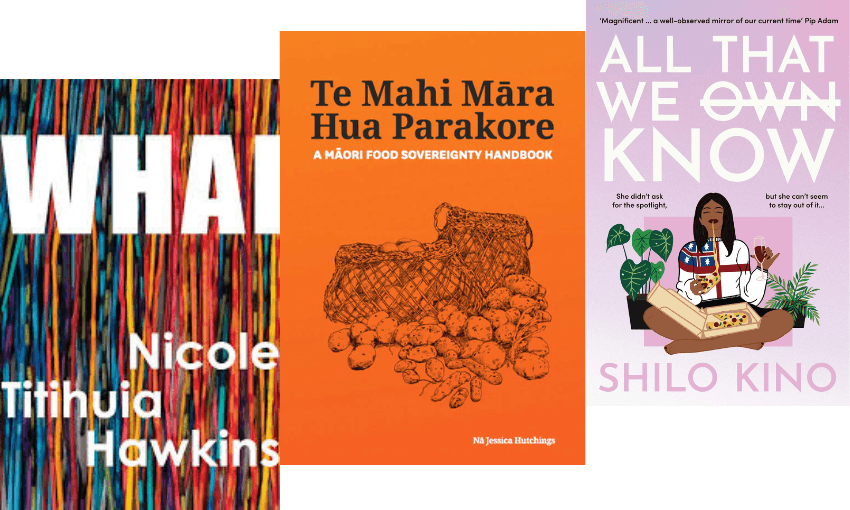
Don’t bury me with anything, it’s no good for Papatūānuku, but if you are at my tangihanga please read poetry into the night. Start with words from Hoki Mai by Rangimarie Sophie Jolley, weave in Whai by Nicole Titihuia Hawkins, and light the ahi while reading Raised by the Renaissance by Rangipare Belshaw-Ngaropo. Take everyone on a journey from whenua and whakapapa to whānau, whawhai and whakawātea. Let the words remind us of our complexities. Give yourself permission to celebrate and grieve all at once as you are held in the knowing that we can be lost, and home, and broken, and audacious, and witty, and powerful, and healing, and hopeful, all at once, too. And while we’re on tangihanga talk, don’t even think about reading biblical verses during the 7am and 7pm wā karakia. Instead, after the owhaowha, let my girls teach you how the karanga of Hinenuitepō will guide me to Hawaiki. They will preach to you the stories from Wāhine Toa by Patricia Grace and Robyn Kahukiwa while preparing a sermon from excerpts of Atua Wāhine by Hana Tapiata.
The book that made me cry
All that we know by Shilo Kino. I was completely fine until the last three pages in the final chapter.
If I could ready only three books for the rest of my life they would be
Taniwha by Robyn Kahukiwa to remind me of the important things; Te Mahi Māra Hua Parakore – a Māori Food Sovereignty Handbook by Jessica Hutchings to ensure we never go hungry; Kāwai by Monty Souter is perfect for such a time as this because it’s the only book I have got so lost in that I yearned to be transported into its pages to live out the rest of my life.
The best thing about reading
Reading is an opportunity for me as a māmā to connect deeply with my tamariki. Snuggled under the blanket before bedtime, tucked away from the distractions of the day, we get to make up voices for our fave characters, celebrate learning kupu hōu, share giddy smiles when we accomplish the next chapter of a special story and feel the exhilaration of being challenged, inspired and nourished. Fingers trace intricate illustrations and inquisitive minds ask worldly questions. In those moments when it’s just us, and a book, I relish in the simplicity of our joy and aroha.
Most underrated book
Te Whē ki Tukorehe edited by Anahera Gildea and Nadine Hura. In all fairness there were only 200 copies printed, I am privileged to own number 134, but a book that has been guided by literary giants, designed by my fav Chloē Reweti and featuring contributions by the likes of Anne-Marie Te Whiu, Ataria Sharman, Kahu Kutia, Michelle Rahurahu and Te Kahureremoa Taumata, to name a few, should feature on lists of greatness across the motu. It’s not just a book, it’s a movement of mana and collaboration making marks in the whakapapa of Māori literature by recognising that the process is just as important as the output. Featuring essays, imagery, poetry and prose it is a stunning collection of works. And the paper stock is just yummy.
Fiction or nonfiction
Indigenous nonfiction is vital in our world today, especially in our current political climate. I think it is incredibly important that we have writers documenting and sharing mātauranga, histories that differ from the Western male gaze and kōrero that not only revives Indigenous knowledge but reminds us of who we are and the Indigenous blueprints for living well. I have a series of book shelves at home that are dedicated to pukapuka supporting the growth of te reo Māori, books that speak to the whakapapa of people and place, art books that champion our weavers, painters, carvers and ceramicists, and new age publications that ensure my uri whakaheke have access to wellbeing tools that are relevant to them and their lived experiences.
At the same time, this world can be a shithole and there’s no better escape from it than bloody good fiction.
Best place to read
My answer would usually be something along the lines of “lying outside the tent at a remote beach location, creamy pāua bubbling on the burner and the kids playing in the kaukau”. But at this moment in time, it is on the mustard bean bag in the corner of my pōtiki’s room, before her second nap when the kōkōwai-coloured wall is drenched in the just right amount of afternoon sun. Her three-month-old gummy grin dribbling on the corners of Kupu Tauaro by Kitty Brown and Kirsten Parkinson as we make our way through their Reo Pēpi series.
What are you reading right now
I am currently reading the proofs of my next children’s book My First Ikura and the reo Māori version, Taku Ikura Tuatahi. It’s a story that follows a young girl as she experiences her first ikura (period), guided by the love and support of her whānau. Rooted in a Māori worldview, it explores the sacredness of this stage in life, the important roles of family and community, and the ceremonies that uplift and honour young wāhine. A gentle, empowering read for growing girls and their whānau, this self-published taonga celebrates the journey into womanhood with pride, knowledge and aroha (released in October 2025).
Ngā Kupenga a Nanny Rina by Qiane Matata-Sipu and illustrated by Isobel Joy Te Aho-White ($21, Penguin) is available to purchase through Unity Books.