The big NZ media questions for 2026

NZ Rugby chair David Kirk, media minister Paul Goldsmith, NZME board member Jim Grenon and broadcaster John Campbell (Photos: Supplied; design The Spinoff)
Duncan Greive runs through the big storylines of the year in local media – and imagines how they might play out.
October of this year marks 20 years since YouTube was bought by Google, one of a number of crucial big tech transactions that helped build the highly concentrated digital media world we know today. You could as easily pick Napster’s arrival, but I’d argue YouTube was the more meaningful debut, setting off two decades of shattering disruption for media – a period that shows no sign of ending, as generative AI swallows the history of film, music, advertising and TV whole, and brazenly resists any pleas for compensation.
Another salient fact: YouTube – now likely worth US$1 trillion were it a standalone business – cost Google less than they would have had to pay for Sky TV at the time. It shows how profoundly power and profits have shifted to a small handful of technology companies, with New Zealand’s media radically impacted over the same period.
Yet despite their humbling, local media businesses still command large audiences and play crucial roles. To start 2026, I hosted Glen Kyne, former regional head of Warner Brothers Discovery (itself part of one of the year’s biggest stories), on The Fold to discuss the biggest open questions for the coming year. Here are our picks, along with a nod to how we think they might play out.
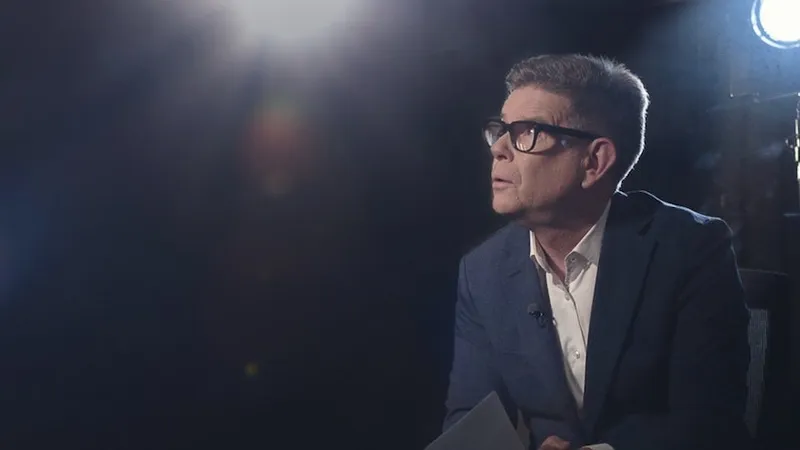
How will the John Campbell signing impact RNZ?
After a few years of personnel decisions often feeling somewhat timid, RNZ seemed to awaken to its power in signing John Campbell to replace Corin Dann as co-host of Morning Report. From an audience perspective there could be no more beloved figure, nor one whose reporting through-line is more congruent with their worldview. It also provides RNZ with a personality capable of staring down ZB’s Mike Hosking, and of perfectly executing the new, less formal brief on the broadcaster’s flagship show, one that has been haltingly coming into view after last year’s scathing Sutherland report.
So: an unalloyed win? Yes – with caveats. Campbell is a superb broadcaster, but one with an unambiguous point of view. That’s well aligned with much of RNZ’s staff and more of its audience – but for a public broadcaster, any perception that his beliefs colour his on-air performance could provide near-existential risk for RNZ. This is because, despite persistent grumbling, it has never become the live political target that institutions like the BBC, ABC or NPR have in other countries.
Campbell is hardly chilling out as he ages, and notably wrote a series of scathing essays in the aftermath of the 2023 election, accusing the coalition of “recolonising”, and alluding to its “heart of darkness” – all before a law had been passed. If Campbell is perceived (rightly or wrongly) as proving too sympathetic to the left, or hostile to the right, it’s easy to imagine Act or NZ First elevating critiques to a “defund” setting. As a result, no single appointment has a higher ceiling, nor more perilous basement.
Can NZ Rugby arrest its slide into chaos (or has Sky bought a big problem)?
A few years ago, the major free-to-air broadcasters announced their upcoming year’s programming with elaborate set pieces known as “upfronts”. They wheeled out talent, rented top-tier venues and had fairly eye-opening stunts, like women wearing dresses made of champagne flutes, all in the aid of getting advertisers to spend large. This season, in a stark reflection of shifting economic power, pay-TV giant Sky is the only one hosting an upfronts (or the only one inviting media).
Sky’s confidence is understandable after an extraordinary performance in 2025, one that saw it deftly navigate satellite issues, re-sign its most important sporting contracts on more favourable terms, as well as picking up Three and ThreeNow for $1. Yet its ability to bask in that afterglow is limited, as both NZ Cricket and NZ Rugby have an air of chaos about them. Both are without CEOs after protracted wrestling with stakeholders, while NZ Rugby took the extraordinary step of firing the All Black coach after an indifferent review. It shows that while Sky is in a strong position, it remains exposed to the performance of its suppliers. And right now, they look shaky.
Will TVNZ follow Netflix into podcasts – or user-generated content?
One of the biggest trends in recent years has been YouTube’s transformation into television, in part by its creators figuring out what it’s for faster than a commissioner ever could. Hence it becoming the biggest podcast platform in the world, without even really trying. Netflix noticed, and is really trying: it has inked a partnership with The Ringer to switch its pods from YouTube to Netflix, as well as commissioning some “video-only” podcasts (surely more accurately described as “TV shows”) from the likes of Pete Davidson.
The local podcast market remains fragmented and sub-scale – but TVNZ has in Nadia Tolich a new head of content who is very familiar with the form, having previously headed up audio for Stuff. Will she make a play to follow Netflix into this realm? “Nothing to announce, but we’re watching this move with interest,” a TVNZ spokesperson said in a statement. “Podcasts are increasingly consumed in video format; the data is compelling.” Translation: they’re waiting and seeing, but this is one content trend they have a chance to get out ahead of and own locally.
Is Jim Grenon done with NZME?
Last year’s juiciest media saga was the hostile campaign of maybe-billionaire Jim Grenon to remodel NZME’s board. He acquired a 10% stake in the company, went to war with its CEO and chair, before suing for peace and ultimately being invited on to its board, with former senior National minister Steven Joyce installed as chair. Over time, Grenon increased his stake to nearly 20% – all without having much obvious impact on the editorial product.
The big question: is Grenon satisfied, or just drawing breath? He and other shareholders aligned with his views appear to have the means to launch a full takeover, especially if they were to carve off OneRoof. It’s a delicate situation for all concerned – and while it’s all quiet for now, there is no guarantee it will stay that way.
Will Trade Me take all of Stuff, and where will that leave mastheads?
The most interesting media investment of 2025 was Trade Me’s buying into Stuff Digital. It was a tantalising prospect: its technology, user base and matchless knowledge of what New Zealanders buy and sell, married to Stuff’s huge audiences. So far, there is little public-facing to show for it, but an integration at that scale naturally takes time. A Stuff Digital spokesperson said the investment was “progressing extremely well with some exciting new product opportunities under way together in 2026”.
News also broke last year that Stuff’s mastheads business, which was “consciously uncoupled” from its digital business, had been in talks with NZME for acquisition (this despite furious denials to The Spinoff that the uncoupling meant anything at all). Those talks were broken off during the Grenon affair, but his period of being boring and normal (with one major exception) might eventually open the door to renewed discussions.
Stuff understandably had nothing to say on the matter, beyond that its “successful subscription business is going from strength to strength and has a number of highly valuable products”. It’s still unlikely to go to NZME, on balance, but a lot of unlikely things happen in the media nowadays, so it cannot be written off entirely.
Will the Warner Brothers acquisition go through, and how will that impact us here?
“Who will buy Paramount?” was an epic media saga that ran for years. With that settled, it’s been replaced by “who will buy Warner Brothers?” The famed Hollywood studio’s current owners picked Netflix, much to the fury of its other suitor, Paramount/Skydance. The latter is driven by David Ellison, son of Oracle founder and occasional world’s richest man Larry Ellison. The Ellisons are not giving up the bid for WB without a fight, but with Netflix upping its offer to all cash just this week, it remains favourite to win the battle.
That would give it a huge trove of brands and IP, with significant potential impacts to New Zealand’s media, most notably Sky, which currently houses many Warner Brothers shows and movies, particularly through its Neon streaming service. Yet because it’s such a vast, complex and still unresolved transaction, it’s possible – even likely – that it could be the end of the decade before the full ramifications are felt here. Of more pressing concern: a potential sequel to the debilitating Hollywood strikes that ran through 2023 and may yet reappear this year.
Is our government going to keep watching Australia for ever, or will it act?
All the above sits downstream from policy or regulation changes, which so far remain largely conceptual – at least on this side of the Tasman. Australia has hard quotas for free-to-air, a huge ad-free public broadcaster, laws to keep major sports accessible and provisions to protect media and production baked into their free-trade agreements. We… don’t.
So it remains: Australia leads the world in activist legislation addressing technology, media and society, including its pioneering news bargaining law, a social media ban for under 16s and a new law requiring streamers to spend a portion of their revenues on local productions (something New Zealand’s production guild SPADA is pushing strongly for here). So far, we wait, and we watch.
I approached the offices of Paul Goldsmith, our media minister, and Erica Stanford, the education minister overseeing consideration of the social media ban, to see whether there was any movement towards actually doing something.“The government is still… evaluating how Australian legislation plays out,” said Goldsmith in a statement. The most doomed seems the news bargaining bill: “It is important we’re cautious in how we proceed. The global political climate is just one of the factors we have to consider.” Translation: we’re too scared of Trump’s tariffs to move on big tech for news or entertainment.
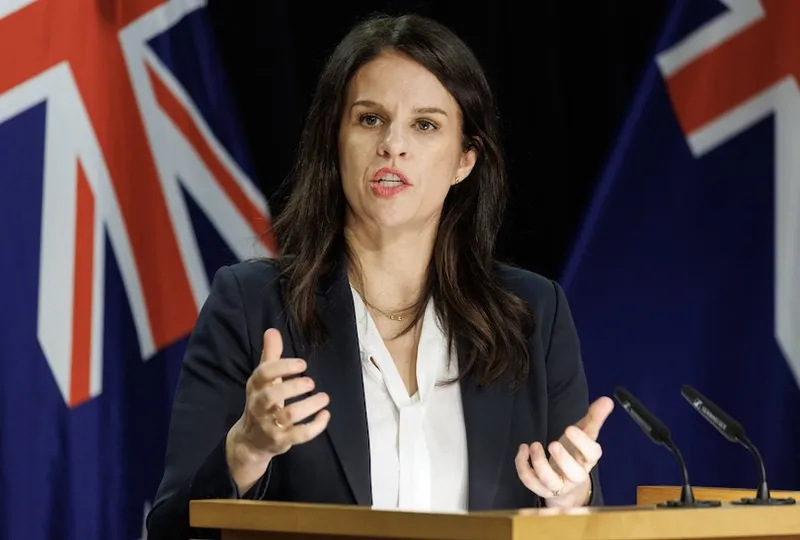
The social media ban is much more in motion, and more comprehensive – a word used three times in a brief statement. “We are considering all options to reduce online harm for children,” said a spokesperson for Stanford. “We have developed a comprehensive work programme that will likely be split into two parts. Stage one will propose to include an age restriction for social media, with stage two involving a much more comprehensive children’s online safety package. A comprehensive response is being considered as the AI landscape is moving at pace. We need to be able to respond to the harms caused by other sources, such as highly sexualised AI chatbots, on children.”
If only other work were moving so purposefully. A spokesperson for TVNZ might have spoken for the whole sector in saying of Australia “we’re watching with envy”.

Duncan Greive
Duncan Greive is the founder of The Spinoff, along with the agency Daylight and music platform Lume. He also hosts The Fold, a podcast which features interviews and analysis about the media sphere in New Zealand.


