Government changes climate law to prevent lawsuits

Image: Tina Tiller
The move, announced this morning, will stop a high court case against Fonterra and six other major emitters in its tracks.
The government will pass a law preventing companies from being sued over climate change damage in many cases.
The law, which applies to current and future cases, will stop a high court case against Fonterra and six other major emitters in its tracks.
One climate change lawyer and KC said it was a “kneejerk reaction” that would block any future ability for ordinary people to seek compensation for harms caused by climate change.
Greenpeace labelled it a “shocking abuse of power” that would protect climate polluters from paying for the damage they had caused.
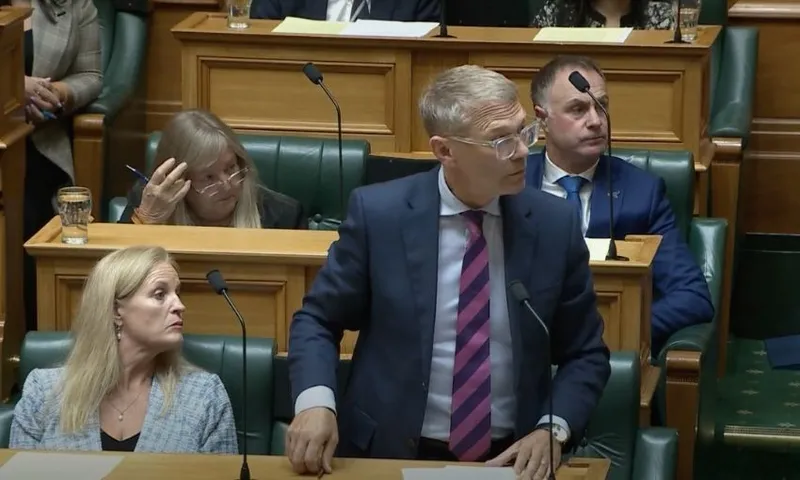
Justice minister Paul Goldsmith said the Climate Change Response Act would be amended to prevent courts from making findings of liability in tort from damage or harm caused by greenhouse gas emissions.
A tort is a type of civil law case where one person or entity claims another has caused them harm.
In 2024, iwi leader and activist Mike Smith was granted permission by the supreme court to sue Fonterra and other major dairy and fossil fuel companies.
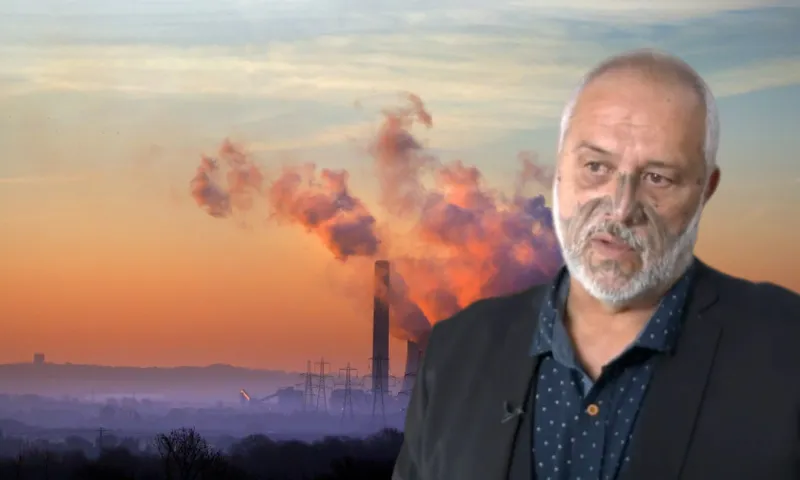
He argued the companies, which collectively contributed about a third of New Zealand’s emissions, had a legal duty to him and others in communities that are being damaged by the effects of greenhouse gas emissions.
Smith told RNZ’s Nine to Noon that parliament stepping into an active court case was unprecedented. He said changing the rules of the game was outrageous.
The legal case was asking for the court to say whether the companies involved could be held responsible for their emissions, he said.
He said he was not seeking costs of damages, it was a “public interest case” to establish the companies were liable. He hoped to prompt the companies to take action to reduce greenhouse emissions.
Lawyers for the emitters had argued in court that damage from climate change affected everyone, and was best tackled by laws and parliament, not by the courts using common law.
The hearing, which was sent back to the high court, was due to start in April next year.
Goldsmith said Smith’s case was “creating uncertainty in business confidence and investments that the government must address”.
The law change would “remove the possible development of a new regime that contradicts the framework parliament has already enacted to respond to climate change”.
New Zealand already had a legal framework to manage emissions, through the Climate Change Response Act and the Emissions Trading Scheme, he said.
“Our response to climate change is best managed by the government at a national level and not through piece-meal litigation in the courts.”
Lawyers for Climate Action president Jenny Cooper KC said the decision was shortsighted.
“What it looks like is a kneejerk reaction to legislate over the top of the unanimous Supreme Court decision in Smith and Fonterra before that’s gone to trial.”
That would leave New Zealanders with no avenue to claim damages or compensation against emitters in future, she said.
“It’s really hard to understand why we would want to legislate now to say we could never bring claims against emitters for the harms and losses we’ve suffered.
“If they are not responsible for paying then who does? Well, everybody, basically.”
The minister’s claims that common law could cut across the government’s climate change framework made no sense, she said.
“The Climate Change Response Act and the ETS do not deal with this issue at all – there is no framework or mechanism for any type of compensation for climate-related harm.”
Instead, the change “appears to be cutting off the only potential mechanism we have at the moment before we are anywhere near having legislation that would address these issues”.
The law change would not alter the government’s responsibilities under the act, and businesses that had obligations under the ETS would still be required to meet them, Goldsmith said.
Another landmark climate case, taken against climate change minister Simon Watts over the government’s plan to tackle climate change, is also unaffected.
That case was heard in March and a reserved decision is expected later this year.
This story was first published on rnz.co.nz