Winners, losers, big losers and gigantic losers from the 2025 local elections

Spoiler alert: democracy is a gigantic loser.
Winner: the endless cycle of underinvestment in core infrastructure. Big loser: the pipes.
Every three years, the nation kneels in a prayerful reverie, overcome with democratic anticipation. “Who?” it asks. “Who are the winners, losers, big losers and gigantic losers from this year’s local elections?” They look to the sky. Silence. They plead with the ground. No reply. Finally, they refresh the homepage of The Spinoff, and they are granted succour.
WINNERS
Phil Mauger
Won.
Wayne Brown
Won by what could scientifically be described as “a shitload”.
Andrew Little
Won by what could scientifically be described as a “megashitload”.
Jamaine Ross
“Tēnā koutou kātoa. I’m running to be a Waitākere Ranges Local Board member, and have one request: Don’t Vote For Me,” begins Jamaine Ross’s candidate blurb for the Waitākere Ranges Local Board. Well, good news, sir: the people of Waitākere honoured your request and rejected you mind, body and soul. The very fabric of their being rang out with rejection of you. Ross received just 538 votes, and came second-to-last in the Waitākere Ranges Local Board race.
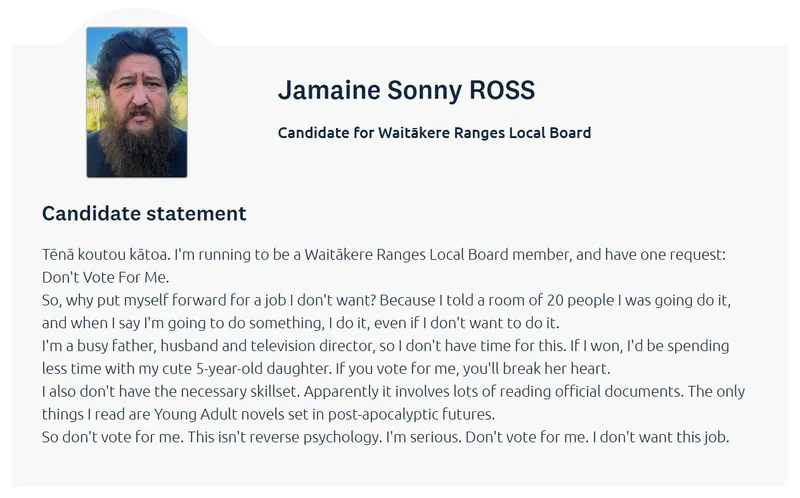
It’s a pity. He would’ve done better than most.
Invercargill
Invercargill has been going through it a bit, local governmentally speaking. Its longstanding mayor Tim Shadbolt was a great champion for the city, but spent the last few years of his mayoralty alienating people on council and showing signs of cognitive decline. He was replaced by his former deputy Nobby Clark, who spent his entire term in office alienating people. In 2023, Clark said the n-word. He then repeated the n-word on New Zealand Today. That was his first code of conduct breach. He picked up a second at a firefighters’ event, where he called volunteer firefighters second-class citizens, and made insulting comments about a female MC.
And now he’s gone, replaced by his deputy Tom Campbell, who seems at least sort of normal.
Marijuana legalisation
The results haven’t been finalised, but Nandor Tanczos may soon be the mayor of Whakatāne. He’s just pulling ahead of Victor Luca on special votes at the time of writing, and if Green politicians are good at one thing, it’s sneaking a win on the specials. His election would be the first step in a tried-and-true political strategy.
- Gain a foothold in Whakatāne.
- Leverage your profile in the mideast North Island into commanding governmental power.
- Enact your policy preferences nationwide.
Upper Hutt
Wayne Guppy spent 24 years as the mayor of Upper Hutt before going out in a blaze of glory weird dirty politics scandals involving a controversial Facebook page manager from Wellington.
Happily for the topmost Hutt, his replacement Peri Zee seems pretty onto it. For one thing, she’s written for millennial web zine The Spinoff. For another, in a quirky twist, her policy promises are pretty much all achievable without roping in a different form of government or self-destructing the council through over or underspending.
Ben Bell
Gore’s Ben Bell spent the first months of his mayoralty getting relentlessly hassled by the council’s incumbent elders for being a jumped-up whippersnapper who doesn’t know how to check a voicemail. He clung on through a no-confidence vote and has been elected for a second term, proving (alleged) bullying only slightly pays.
Simon Stam
Came fourth in the Auckland mayoral race, with more than 10,000 votes, despite not campaigning and failing to even give election officials his email or cell number. Stam has scientifically ascertained the maximum success you can achieve using only a candidate photo and a blurb in the voting booklet, and for that at least, we owe him a debt of gratitude.
Vampires
Though he didn’t win, at least the Dunedin vampire wasn’t a clown. There are too many damn clowns in the council already, sucking up all my rates and spending them on woke cycle paths!!!””>??
Speaking of which…
Low rates campaigners
This was a massive election for candidates promising to shrink the council. As Newsroom reports, 31 of 66 communities have elected new mayors, with incumbents faring worst in the places that imposed large rates rises over the last few years. They’ve been replaced, in the main, by candidates like Hamilton’s Tim Macindoe, who are promising to put a lid on the costs.
Thankfully councils aren’t dealing with decades of underinvestment in core infrastructure.
Three Waters
*touches hand to ear* I’ve just been informed by the Treasury that councils are in fact dealing with decades of underinvestment in core infrastructure. For all the incessant, endless, ridiculous little baby tantrums about cycleways, the vast bulk of the rates rises imposed by councils over the last few years have gone toward repairing the pipes their predecessors left to rot in the ground until they started spraying human faeces around like the world’s worst sprinkler system.
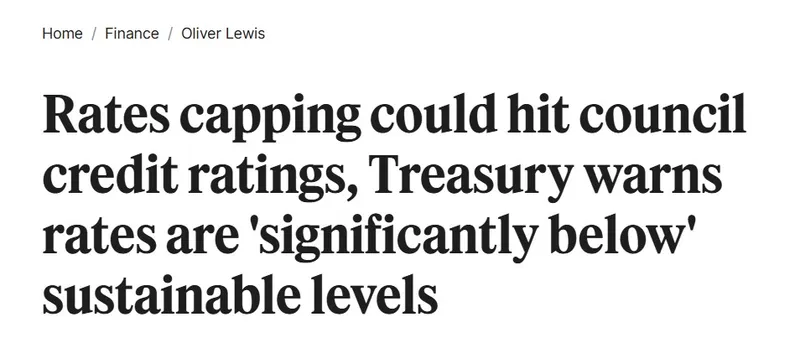
You know what was supposed to help with that? Three Waters. Councillors campaigned to restore local control. They got it back and quickly realised local control is horribly expensive. Now they’re getting voted out for imposing the unavoidable costs they actively asked to take on.
The endless cycle of underinvestment
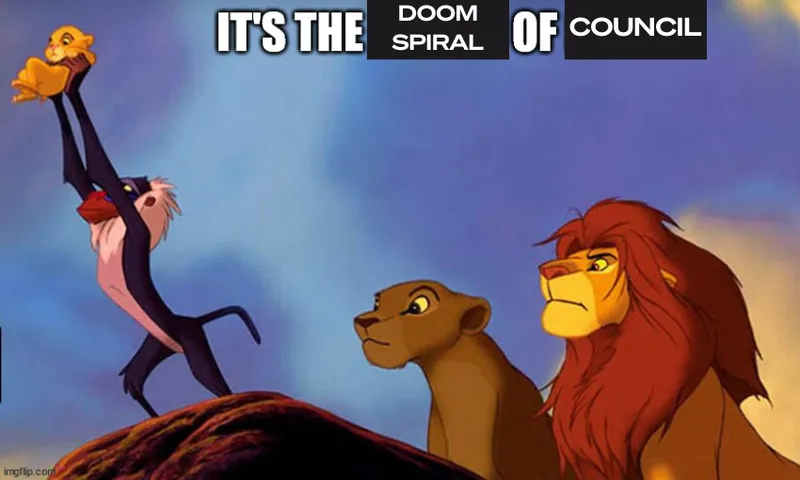
During the election campaign, Local Government NZ chairman and Selwyn mayor Sam Broughton described a doom loop afflicting councillors. If they start getting realistic on the costs facing their councils and raise rates, they face an angry voter backlash. “Then someone saying ‘we’re going to keep rates low’ gets elected, and you just end up going round and round without dealing with the real issue, which is that basic infrastructure needs to be invested in,” he said.
Broughton raised rates by 15% in 2025/26. More than 80% was going toward roads and three waters. On Saturday, he was beaten soundly by someone promising to “stop unsustainable rates hikes by tightening fiscal management and focusing investments on core infrastructure”.
LOSERS
Westies
Wtf guys. The Westies I know would have voted Jamaine Ross onto the Waitākere Ranges Local Board just to mess up his life. What happened to the fiercely independent spirit of the west? A guy asks you not to vote him onto a local board and you just say “yes, right away sir”? What is going on here?
Kerrin Leoni
Lost badly to Wayne Brown. But 56,000 votes is a creditable showing. Her margin of defeat is comparable to John Tamihere’s against Phil Goff, and Tamihere was given a lot more coverage. At Leoni’s post-election event, she complained the media hadn’t given her a shot. She may have had a point.
Celebs
In the US, being the host of a mid-level reality franchise is enough to win you the US presidency at least twice, arguably three times if you buy into some brain-wormed and mildly treasonous conspiracy theories.
Back home, being a beloved doctor on our most beloved soap opera is enough for fourth place on the Waitematā Local Board. Congratulations to Peter Elliott though. Some celebs didn’t get elected at all. Elliott finished well above the Champagne lady, Anne Batley-Burton, in Waitematā. Samoan rugby international and All Black sibling Luke Mealamu just missed out on a Māngere-Ōtāhuhu local board seat, while being defeated soundly in the Manukau council race.
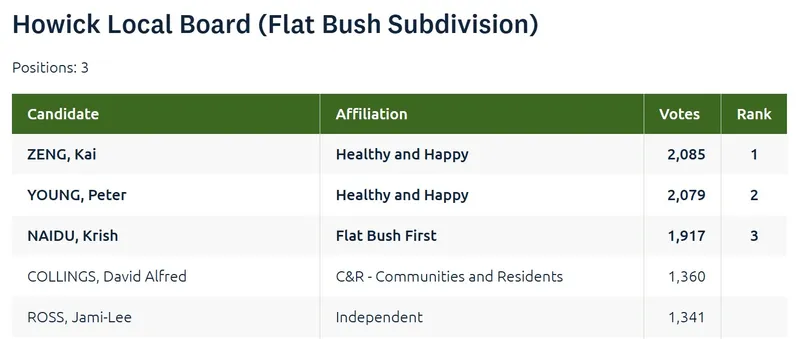
Jami-Lee Ross
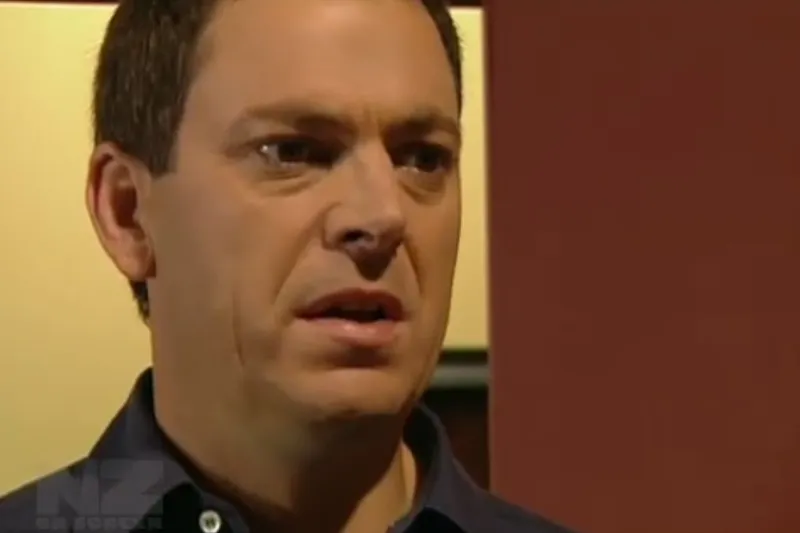
His latest political comeback didn’t go as planned. Maybe next time.
Clowns
The real clowns were all of us, hoping for better things from the local government elections.
BIG LOSERS
The pipes
You guys are so screwed.
Clark family relations
If things are awkward around the dinner table this Christmas, spare a thought for Nobby and Andrew Clark. The latter ran to replace his brother after he decided to step down as mayor of Invercargill this election, while also running for a fifth time in Tasman under the name Maxwell Clark. He didn’t tell Nobby he wanted his job though, and when contacted by reporters, his sibling failed to issue a ringing endorsement. “I do not support my brother’s nomination,” Clark told Local Democracy Reporting’s Matt Rosenberg. “Why is he using Andrew and not using his known name (Maxwell) – while he is also standing for the Tasman mayoralty for the fifth time?”
Unsure on that one. Maybe ask during what promises to be a festive get-together in December.
David Farrier
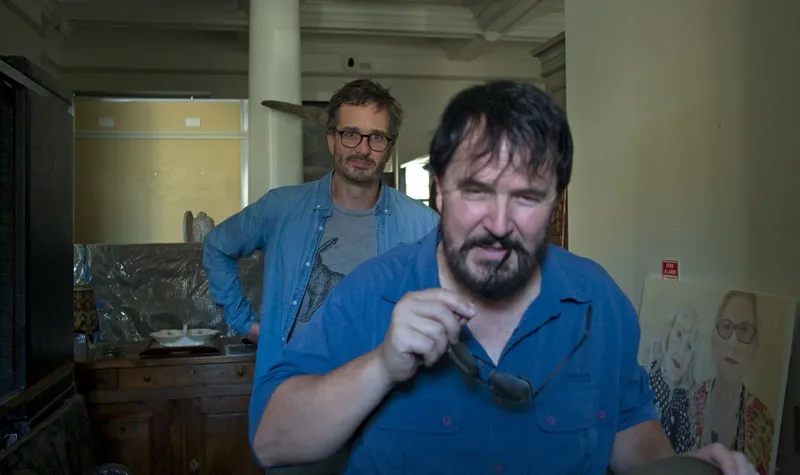
David Farrier made an entire feature-length documentary to call Michael Organ a toxic narcissist, only to see 1,628 people vote for Organ to represent them on Whanganui District Council. It wasn’t enough, but still that means either the doco really didn’t get its point across, or there’s a significant contingent of single-issue “annoy David Farrier” voters. Neither option reflects well on Farrier’s movie skills or, indeed, personality at large.
Hayden Donnell
Hayden Donnell hijacked his own election winners and losers column to aim a tenuous insult at his frenemy, David Farrier, but thankfully saved the situation by putting himself in as a big loser.
TOP
Back in 2019, Raf Manji was a moderately successful politician. He’d been elected twice to Christchurch City Council, serving as the chief financial adviser to mayor Lianne Dalziel.
Then he became the leader of TOP, a party that seems to have been subject to an electoral witch’s curse. Though he’s since stepped down, he still bears its mark upon his political prospects. He lost in Christchurch’s Central Ward, soundly beaten by Labour’s Jake McLellan.
David Seymour and the Parnell Nimbys
Wayne Brown spent most of the election engaging in a personal challenge to insult David Seymour as many times as possible in the newspaper. His most aggressive barbs arrived after Act’s leader hosted a meeting for Parnellites concerned about the prospect of *pauses to sick up violently* apartments in their well-to-do suburb. Brown urged the “desperate deputy prime minister” to stop sticking his nose in it. “He wants to build out in Pukekohe so they can get re-elected in Epsom? Yeah, that makes a lot of sense, doesn’t it?” he added, diplomatically.
Now he’s been re-elected by a landslide. Brace yourself for some apartments, Epsom.
Local Government NZ
Nice optimism about voter turnout guys. Shame if it was woefully misplaced.
GIGANTIC LOSERS
Ray Chung
Ray Chung entered the Wellington mayoral contest as the favourite, telling the Herald’s Ethan Manera he was so confident he’d pre-ordered a $90,000 watch as a victory present to himself. He proceeded to deliver the most concentrated display of political bungling since Robert Muldoon slouched up to the media drunk as a family of skunks to announce a snap election.
His first mistake admittedly happened two years ago, when he decided to spread a false rumour about mayor Tory Whanau’s sexual exploits in an email containing the elementally horrifying phrase “soft pendulous breasts”. The rest of them all came during the campaign. Chung linked up with fringe figures like former whaling lobbyist Glen Inwood and Better Wellington, who proceeded to torpedo his campaign by issuing off-puttingly rabid attacks on left-wing councillors. He performed poorly himself, even managing to self-destruct in a friendly interview with Sean Plunket. By the end, Chung was in third, losing his spot as the preferred candidate of the right to Karl Tiefenbacher, whose primary claim to fame is making a tonne of gelato a day in summer.
Chung blamed Wellington’s foolish and misguided voters for his loss, telling them “this is what you’ve chosen. Live with it.” You’d have to suspect they’re feeling pretty OK about their choice.
Private election companies
Gigantic losers in 2022, and still gigantic losers in 2025; private election companies rival me as the most enduring failures in the local government sphere.
This time around they churned out their usual quarter-hearted attempts at getting people to vote, while excluding Māori ward candidate profiles from the voting booklets in three districts.
Central government politicians
Turnout in local elections has been dropping precipitously for decades. Every three years, central government politicians wring their hands at the situation, and perhaps commission a working group. It doesn’t appear to be working. Here’s an idea: what about changing tack, and actually enacting some meaningful reforms? God knows they couldn’t make things any worse.
Democracy
The reasons for our dire local election participation stats are well-canvassed. Few people still know how to post a letter, and the ones who do are disproportionately ancient. People don’t care about local government, despite some articulate and not at all deranged attempts to impress upon them its importance. It’s hard to tell all the virtually identical men in the booklet apart.
But the situation is no longer sustainable. Voter turnout across the country was sitting at 32% on election day. In Auckland, it’s unlikely to crack 30%. A supermajority of New Zealanders are looking at local government elections and issuing a resounding meh. As a result the people in charge of our roads, pipes and housing don’t reflect the electorates they’re meant to represent.
But maybe there’s some hope on the horizon. What’s that I hear in the distance? Is it a faint yap, resonant with the melodious sound of democratic franchise? Could it be… the orange man and his dog?

Hayden Donnell
Hayden Donnell is a senior writer for The Spinoff. He previously worked at RNZ, TVNZ and the New Zealand Herald, alongside other media companies that have since closed down or been renamed. His primary passions are local politics and the Big Fresh animatronic fruit and veggies.


