The music played at the Christchurch bus interchange, reviewed

(Image: Shanti Mathias)
Public transport users in Christchurch have their wait time soundtracked by opera, orchestral music and easy-listening jazz. Is it any good? The Spinoff asked Christchurch musicians – and people waiting for the bus – for their thoughts.
“Romanticise your life,” they said, probably on TikTok, with some kind of music in the background. Swelling strings, I think, maybe some insistent harpsichord, or a flourish from the horn section. Surely some well-timed classical music is the key to making waiting for a bus more exciting?
Something like… the third “summer” movement of Vivaldi’s Four Seasons? That’s what was playing outside the Christchurch bus interchange last week when I decided to write this story.
The bus interchange has been playing classical music outside its entrances for more than a year. The goal was to give the central bus station a “different vibe”, said Christchurch City Council’s facilities operations manager Brendon Cowles when the trial began. That’s one explanation. Another is that classical music is used to deter young people – many of whom hang out at the interchange in the afternoons and evenings.
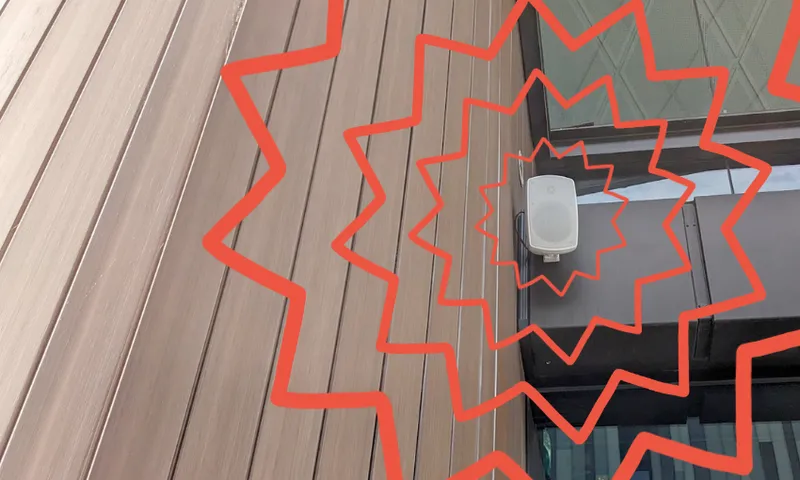
“It’s supposed to make teenagers hate the place and run away,” said a Reddit user when the music started in 2025. Christchurch is hardly a pioneer in this: classical music is used in public spaces from Japan to LA. In the London Underground, a 2003 trial apparently led to a more than 25% reduction in robberies, assaults and vandalism.
In Christchurch, the feedback has been “mostly positive”, says Bruce Rendall, Christchurch City Council’s head of facilities and property. But: “We have had a few people asking to play more modern music.”
Unfortunately, the council says it would take several weeks to provide me with a full list of the music played at the interchange. So instead of grooving to Vivaldi from my special interchange playlist on the evening bus, I find myself sitting on the ground next to speakers in the interchange during the day, using Shazam to identify which songs are playing.
“It’s very bland and generic,” says Reuben Derrick, a saxophone and clarinet player based in Christchurch, when I send him the playlist. He initially thought it might be AI-generated music. “It doesn’t sound like it’s on purpose.”
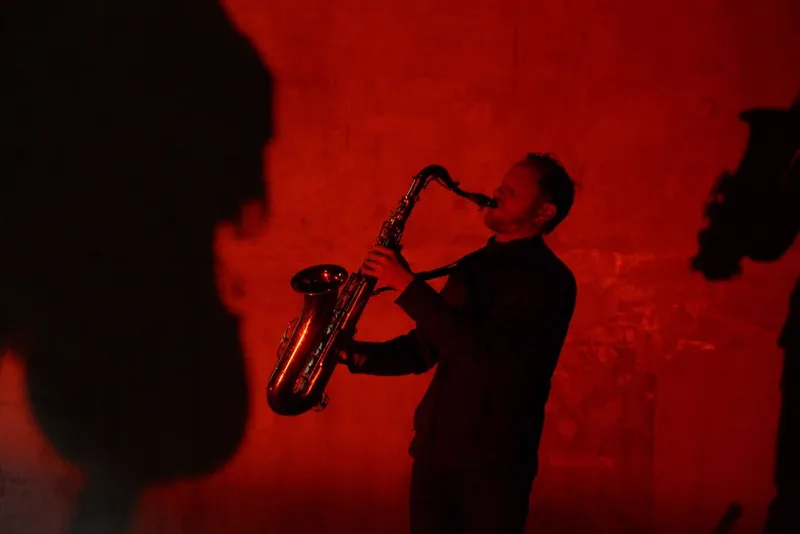
Amy McMurdo, a cellist and conductor of the Garden City Orchestra, says she understands why classical music is picked for this purpose. “Popular pieces are recognisable and palatable,” she says. “Background music is one use of classical music but it doesn’t negate its significance, just like classic rock is used in marketing.”
Others disagree. “The current goal is ‘let’s play really boring music so miscreant youths don’t want to hang out here’, and that’s the vibe they achieve,” says Alex Morton, a horn player in the Christchurch Symphony Orchestra and member of the Morton Trio. But if most people only hear classical music in a background context, he worries that “it gives live [classical] music a bad rap”.
It’s definitely an attitude shared by some of the people at the bus interchange. “It’s boring, sleepy music, just instruments, no voice,” says Barbara, who is sitting on a bench outside. Worse, it reminds her “of being on the phone with Winz”. Her partner Com agrees. “The biggest problem here is riffraff – we need more security guards and police.”
Peter, by contrast, says the music is “quite nice”, but when I ask what he likes about it he acknowledges that he’s hard of hearing. “It’s a good idea, but I don’t really notice.”
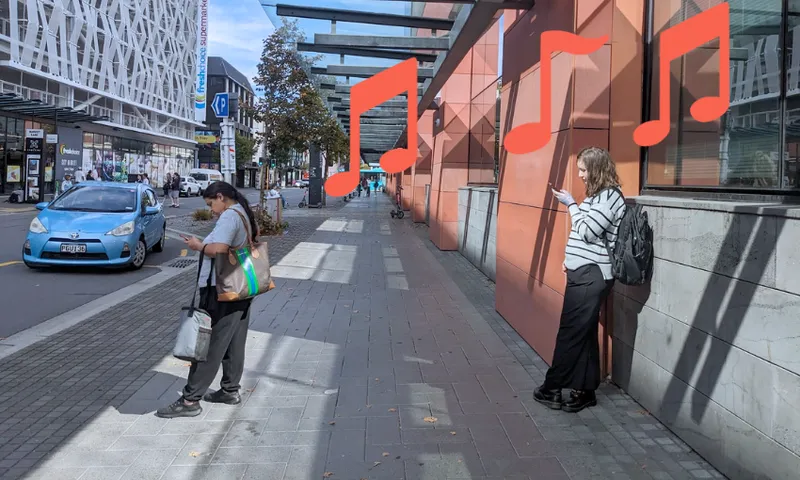
While the music might sound generic, it’s actually chosen by people. AMS Nightlife is a music-services company based in Wellington. They mostly create playlists to increase “dwell time” in shops, promote a groovy atmosphere (and the purchase of another drink) in bars and make gyms feel like they’re popping, even at 11am when only two people are there.
For the bus interchange, the brief was different, says co-founder Brent de Bres. “They were very specific about it being classical music – none of the young folk today like classical music,” he says, sounding of one mind with Timothée Chalamet. Ratepayers were also a consideration. “To keep costs down, they didn’t care if it was well-known classical piece or not, it just had to be rights-inclusive music.” That means that artists won’t be paid a licensing fee for their music to be played in public. Instead musicians are paid to have their music included in a library that companies like AMS Nightlife can choose from.
From there, the choices were simple. “Hard rock, hard hip hop and classical opera are the most complained about types of music,” de Bres says. This is music to move on to, not to linger for.
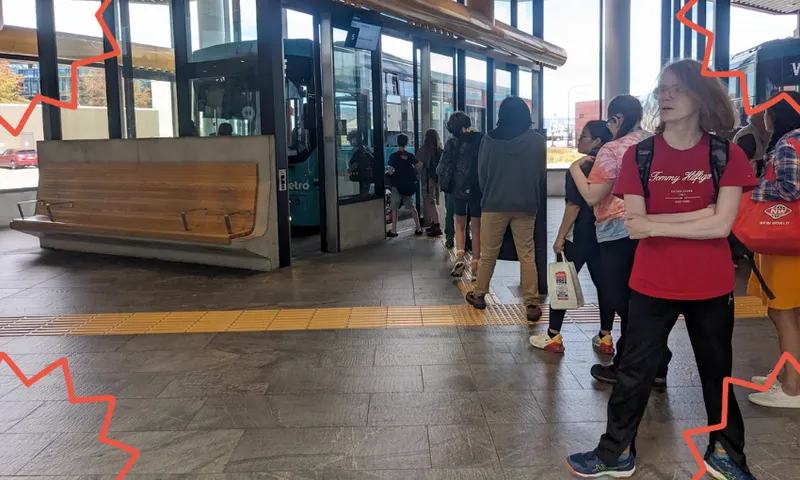
But it still can’t be too repetitive, and 5.45am-12am are a lot of hours to fill. “They want to discourage antisocial behaviour, but we have to keep in mind the security guards, and the other humans that work in close proximity,” de Bres says. The royalty-free piano of ‘Train Coming’ by Table Etiquette is inoffensive, public transport-themed and polite enough on its first iteration, but on the 12th go of the day it might start to grate.
De Bres won’t tell me the exact playlist used at the bus interchange, but he gives a sense of how it’s curated, emphasising that no AI-generated music is used in the process. “We use a ‘flavouring’ technology,” he says. When the company gets a new client, like the bus interchange, genre specialists create some playlists for the space – say, a jazz playlist, an opera playlist and a classical playlist. Then they pick a “mix” of those genres – say, 20% jazz, 50% opera, 30% classical.
The music shifts between these different mixes, slowly melding one into the other, with a different combination each day, and some time-of-day programming possible too – opera when the kids get out of school, say. Every couple of months, they might hide some songs from the mix and add others, so it stays fresh.
Personally, de Bres doesn’t like classical music. But he believes in the project. “Music can influence and make people’s day … if it has a melody, I’ll sing along to it.” While many people might be using headphones or looking at phones in public, he says that listening to the same thing can ease social interactions. “People will be humans and talk to the person next to them. Strange, I know!”
Research shows that listening to classical music can lower blood pressure and improve the symptoms of anxiety and depression. Heavy metal music, by contrast, “increases feelings of tension and nervousness”. And while pop music can have a similar effect to classical music, no voices means no vetting lyrics, and nothing to distract from spoken announcements like the number seven to Halswell arriving on Platform B.
Some have alternative suggestions for the bus interchange. Barbara, waiting outside, would like some Dave Dobbyn to “promote Kiwi pride”. Peter might be hard of hearing, but he still likes Elton John.
Derrick thinks the interchange should go more ambient. “Brian Eno would work much better in a big space, not intimate piano music,” he says.
Morton has a distinct memory of racing through an airport, outrageously stressed, then realising he was listening to Shostakovich’s 13th symphony, about the 1941 massacre of Jews by Nazis in Babi Yar, modern-day Ukraine. That’s an “inappropriate” choice for a public place. But what about “a really fast version of the William Tell Overture” – surely an improvement to travel efficiency – or Shostakovich’s Festive Overture, full of spiralling brass and fast string runs. “That could make you feel really badass on the way to work, have some main-character energy.”
Like de Bres, Morton believes in the possibility of music to transform public space. “The council has an opportunity to provide a soundtrack to people’s commute,” he says. But they’re not taking advantage of that opportunity. He’s gone to council meetings to speak in support of pedestrian-friendly improvements to central Gloucester Street. The city “has to be a destination, not just a place to pass through – you have to stop, slow down, be mindful to properly engage with music”.
But you don’t have to petition AMS Nightlife or the city council for a change of public transport music. While the speakers outside play opera, the council has set up a “youth space” with seating inside the interchange. After a hard afternoon Shazaming random jazz, I walk through. It’s filled with teenagers. Someone is playing ‘Smokin’ Me Out’ by Warren G on a speaker. If it’s not classical music, it’s hip hop; there’s always some music to complain about in the bus interchange.

Shanti Mathias
Shanti is a contributing writer at The Spinoff with a focus on Christchurch and the South Island. Email her at shanti@thespinoff.co.nz


