A day in the life of a New Zealand MP attending Cop30 in Brazil

Scenes from Cop (Photos: Francisco Hernandez; supplied)
Green MP Francisco Hernandez shares his diary from the UN climate conference in Belém, featuring everything from plenary sessions to Pringles, fossil fuel phase-outs to fire evacuations.
0600-0730
I got up in the morning as usual and followed my normal morning routine. First – checking my emails and the billion Signal and social media messages that remind me that, despite appearances, I am still New Zealand’s third-largest party’s 14th-highest-ranked MP and that my mahi is waiting for me at home.
This morning I signed off on some constituency work that I’d been going back and forth with my adviser on, and I triaged some draft questions and OIAs to file off and then read through some Signal chats – getting a combination of FOMO and guilt as the government rolls on another wave of urgency while I’m here at Cop.
Then I went off and had a shower – totally cold water, not even a tiny bit of hot or warm, unlike at home.
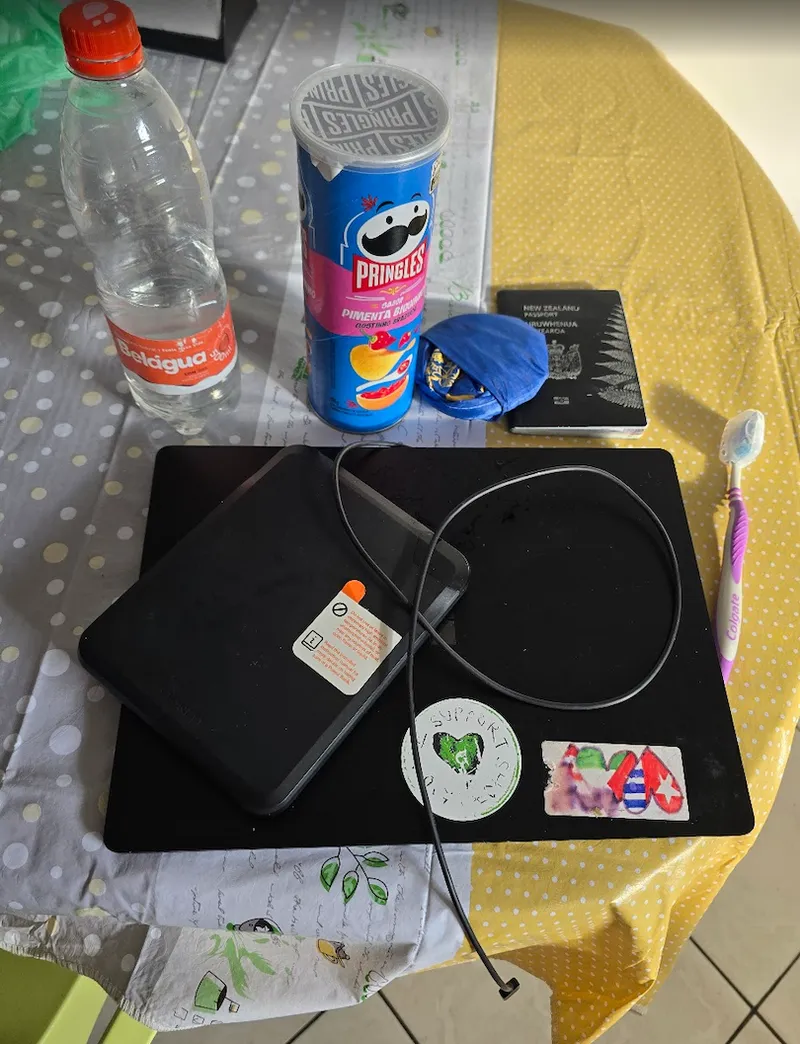
I made sure I had all the things I needed for Cop: power bank, USB cable, laptop, water bottle, fan, Pringles, my passport and a toothbrush.
0730-0845
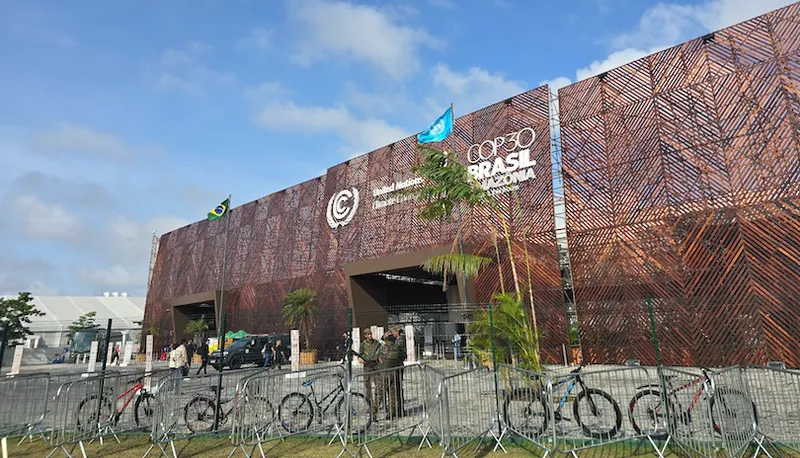
I walked to the bus station and took the bus – fortunately we have free buses during Cop so I’ve been taking them to and from the venue everyday. The Belém streetscape is quite interesting – it is quite uneven and rough but there is a beauty in the graffiti. We arrived at Cop and then walked past several security checkpoints.
There had been persistent complaints about the militarisation of Cop from activists and the indigenous community, but the military’s presence seemed somewhat lessened today compared to previous days.
0845-1000
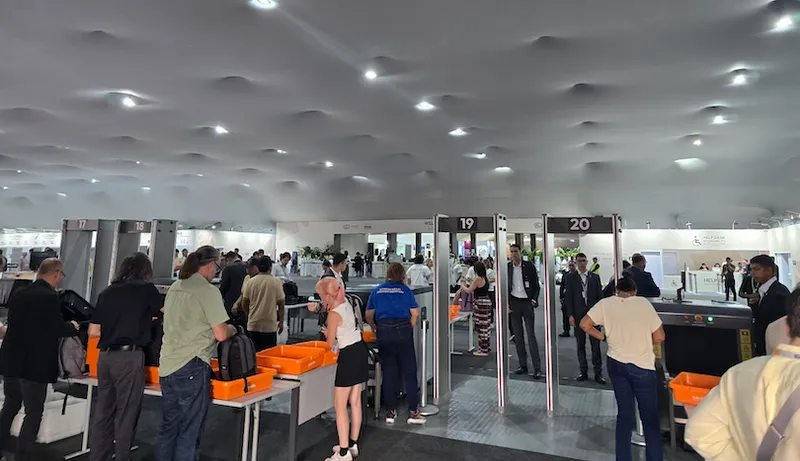
I finally went inside and went through the last security checkpoint where they do a body and baggage scan.
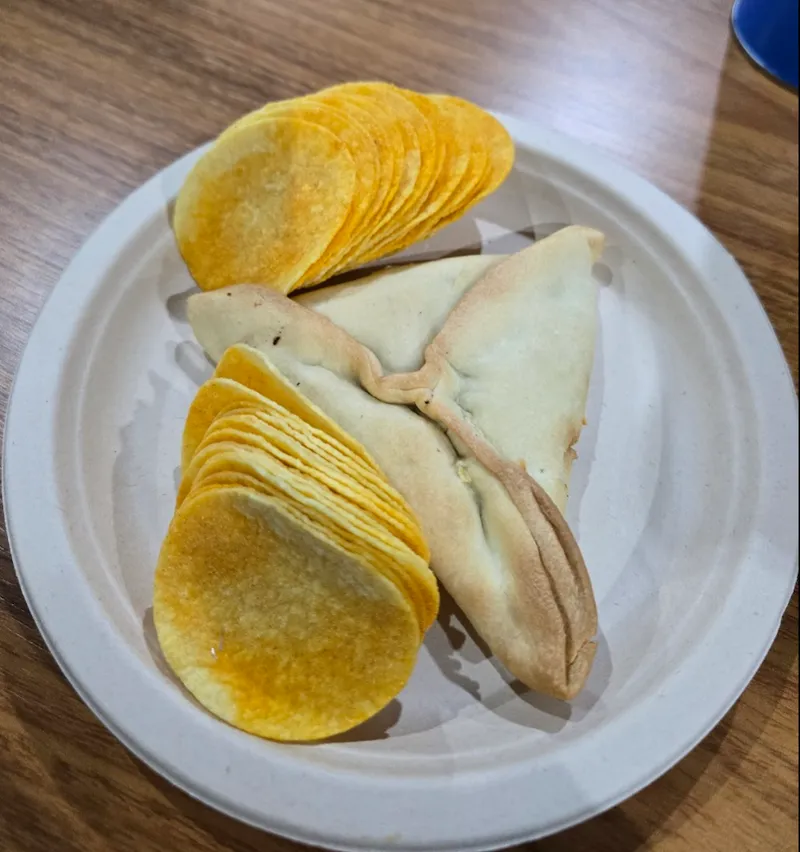
I had breakfast and then grabbed coffee with a few friends at Cop. Breakfast was some empanada thing with beans, Pringles and Pepsi Max. I caught up with David Tong from Oil Change International and a new friend I was introduced to was Danielle Taafe of CAN International.
We caught up on the status of the draft text so far and where things were at. Word on the ground is that the draft text was progressing quite slowly. The key asks from the Brazilian government – a fossil fuel phase-out, adaptation, just transitions and protection for nature, with climate finance to fund all four – were being stalled and it was unlikely that they would get the version of the text they wanted.
Sadly, this is in line with the previous decisions of Cop – at Baku last year the ask was for $1.3 trillion in climate finance, only to have it be bargained down to $350 million.
1000-1300
I attended different plenary and negotiation sessions at Cop. As an opposition MP, this was one of my main reasons for going to Cop – to follow the negotiations and to keep power accountable.
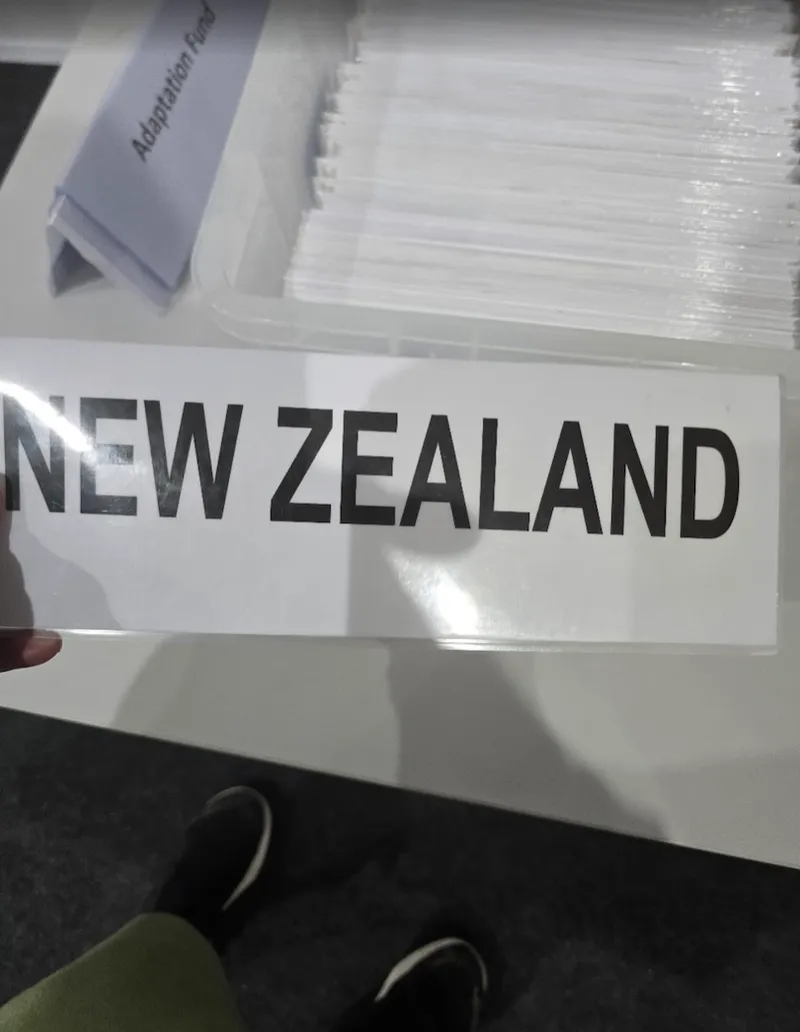
I’m able to grab the New Zealand sign because there was no New Zealand – this was the case for six out of the seven talks I sat in on (I returned it straight away without actually taking it – requesting the sign was just verification that there weren’t any New Zealanders there).
Consistent with the trend over the past few days, New Zealand was missing in action for most of the negotiations. Of the seven negotiations or plenaries that I went to over the past three hours, New Zealand was present in only one of them.
The absence of Aotearoa was particularly notable in the “second presidency consultation on the enhanced engagement of local communities in the Local Communities and Indigenous Peoples Platform (LCIPP)” – yes, these meeting titles are a mouthful! In practical terms, when countries tried to water down the consultation and language, it meant that we were nowhere to be seen and could not stop that happening.
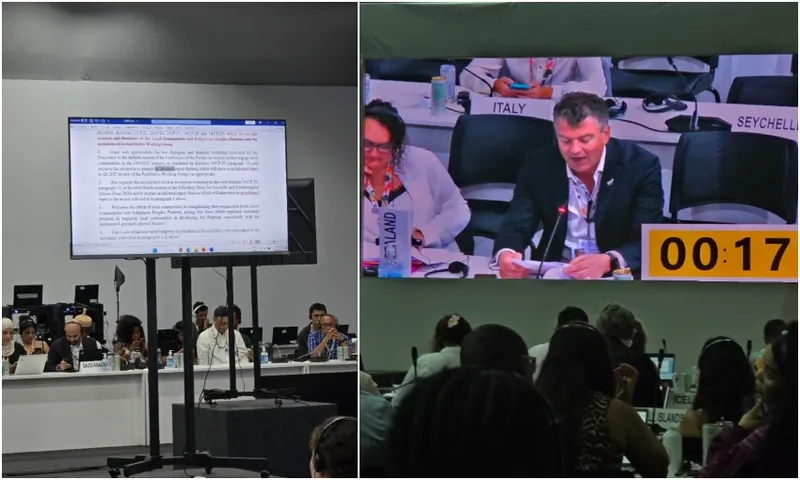
Someone who has been to the different delegations since the Paris climate conference 10 years ago said that this year’s official New Zealand delegation was the smallest ever. This is from a combination of how expensive it is to get to Belem and the price of accommodation here, but also from cuts to the public sector, with another source here telling me that public sector cuts had led to loss of climate roles.
I will never fault the officials here for their absence at events. They are competent, hardworking to a fault and stretched thin as it is, with some working past midnight on negotiations. But I will blame a government that has prioritised short-term fiscal savings in an effort to cut public service numbers over New Zealand’s ability to protect people and planet.
And when the officials are resourced to represent Aotearoa New Zealand they do us proud – the New Zealand delegation’s speech at the Baku High Level Dialogue on Adaptation was greeted with some of the first genuine applause I’ve heard throughout the conference.
My main takeaway from the session – particularly the adaptation dialogue – is how ready people are to take climate action, but there are disputes on how and, crucially, who pays. With adaptation there is a broader consensus on the need to take urgent and fast action, but adaptation reporting and practices is still an evolving field. It is something that New Zealand can positively contribute to though – we are one of the first countries to have developed a statutory requirement to draft adaptation plans and risk assessments and it is something that we are leading locally on with pilots like the South Dunedin Future project.
1300
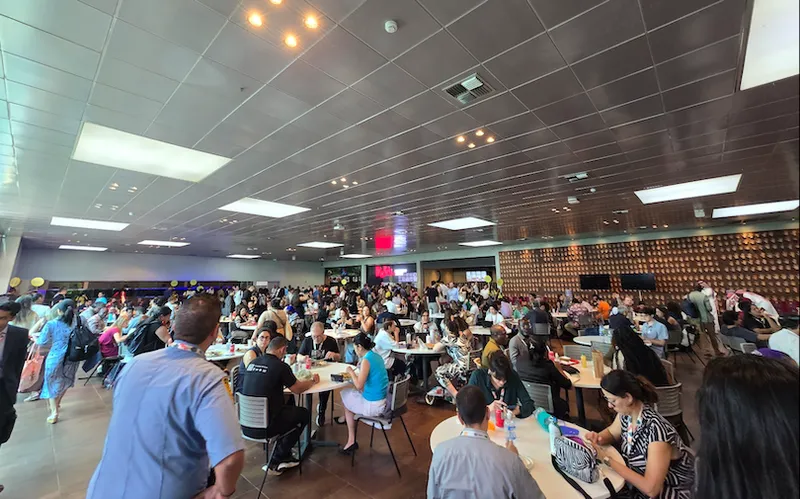
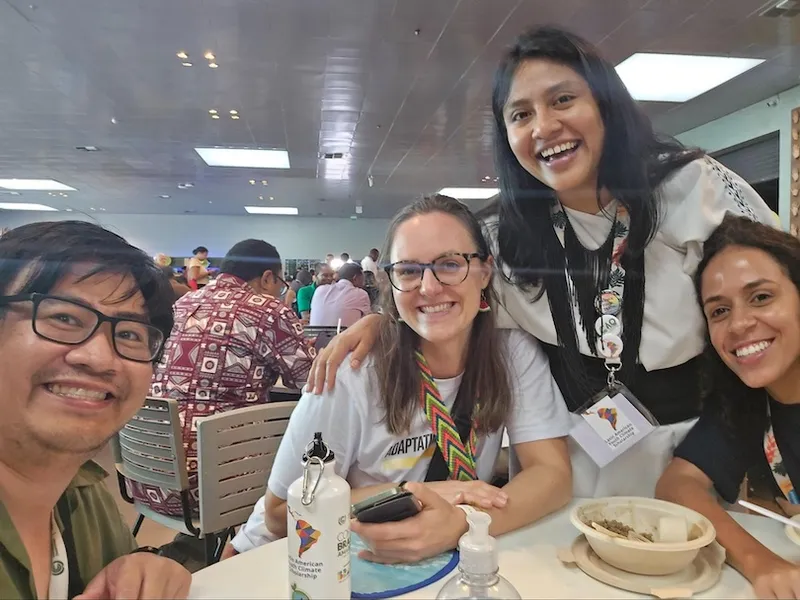
I joined my fellow Kiwi Ben Abraham for lunch along with the Latin America Youth Climate Scholarship coordinator Alicia Amancio and some of their scholars.
I asked Alicia and some of the other Brazilian youth in the delegation how locals were receiving Cop. It seemed that there were mixed feelings. She said that while there was genuine pride about it returning to Latin America for the first time in over a decade (with the last one being in Lima in 2014), and that Cop had led to some positive outcomes, like 10 indigenous communities getting their land back and Belém getting increased grants for sanitation, there were some negative outcomes as well. The Brazilians talked about the militarisation of Cop, how the government had hypocritically announced oil and gas drilling near the Amazon in the months before Cop while pushing for a fossil fuel phase-out – but they seemed supportive of the objectives.
1400-1430
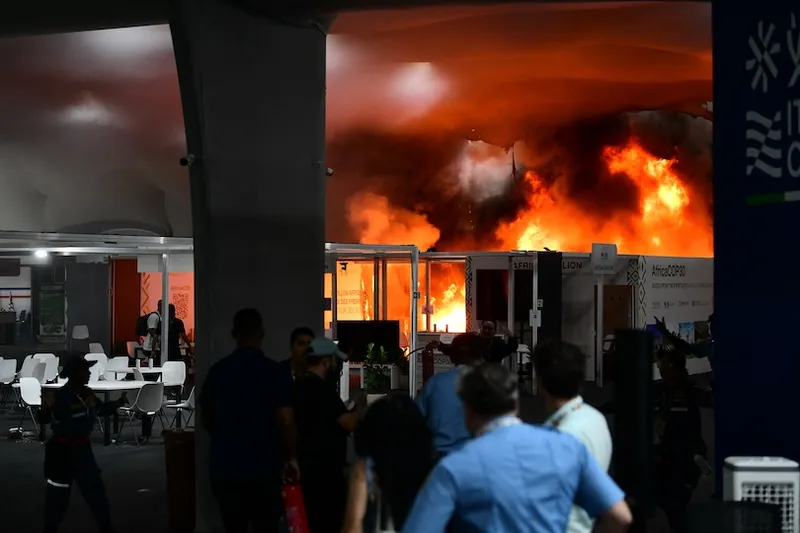
I attended the usual briefing that the New Zealand delegation was putting on. These briefings are for the NZ officials to give a report back of what’s going on on the ground and for the NZ attendees to ask questions and feed back what they’d heard. Normally the events of those are unrecorded, but this time I think the delegates will forgive me for revealing that during the briefing some fire wardens came in and asked us to evacuate the building.
So we went with them – I had the presence of mind to grab my bag from the floor as we evacuated the building. We lingered for a little while outside the building and anxiously received photos and videos from various group chats on what was going on. We’d heard that no one was injured and the fire was contained but meanwhile emergency vehicles and personnel continued to stream into the building.
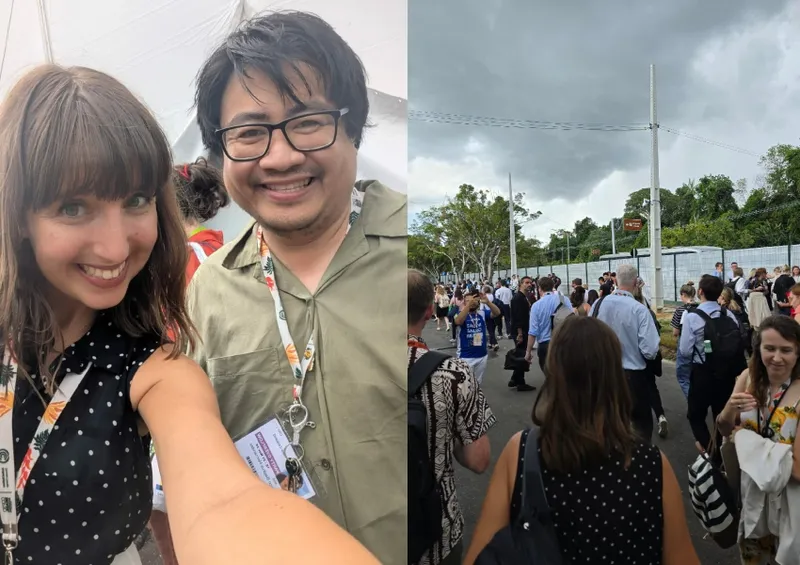
During the evacuation I got the chance to catch up with an old friend from Otago University – Injy Johnstone. She gave me a download of the negotiations she’d been watching and New Zealand’s positioning during them. Basically her interest is in carbon and nature markets – which, under the Paris Agreement, is super complex. This Cop was supposed to be about reviewing its first year of practice and the review was finding significant deficiencies. Unfortunately, rather than being on the side of more transparency, New Zealand was siding with the status quo against requests made by small island nations – including our Pacific neighbours.
It was at this stage that we got asked to move on – everyone was being evacuated to outside the cordon area. We exited the zone, took a selfie together and went our separate ways.
1500-1600
I got on the bus and received phone calls and did media interviews. I was so distracted by this that I didn’t realise that I was actually on the wrong bus. Fortunately the bus just looped back to where the bus stop was. You could be a pessimist and say that I wasted an hour of my life on a bus, but I would say that I actually got free air-conditioning, shelter from the rain and a free tour of the city and did three interviews at the same time.
1600-1630
I finally got home. In theory I had the evening free to finally do some exploration of the city, but in practice, my Catholic guilt would not permit me to actually have fun or do anything else other than work. I permitted myself the luxury of going to the supermarket to see if I could find a USB cable (I had left mine behind at Cop) and getting dinner. This is where my diary will end as I doubt brainstorming questions to ask government ministers during scrutiny week is anyone’s idea of a fun time. I checked the various Signal and WhatsApp groups and was relieved to hear that only 13 people were injured with relatively light smoke inhalation injuries – a near miracle considering that there were around 50,000 delegates registered for this Cop.

Francisco Hernandez
Francisco Hernandez is a Green Party list MP based in Dunedin. He's a climate policy expert with a background in student politics.


