


The treaty debate has become a battlefield of ideology. The historical record tells a more disciplined – and less convenient – story.
Historians like to hedge their bets. As the past is never fully recoverable, we can only make meaning from the surviving fragments. However, because the boundary between history and politics is porous, those pieces of the past sometimes get picked up by various groups to bolster their ideological aims rather than to enhance our understanding of what has gone on before. This is particularly the case in the perennial discord over the Treaty of Waitangi. To paraphrase 18th-century English historian Edward Gibbon, the various arguments about the treaty are considered by their adherents as equally true, by their opponents as equally false, and by politicians as equally useful.
Public debate ought to draw on history as a stabilising force – especially in an age of social media “gotcha!” moments, and when the angry extremities seem to be closing in on the vulnerable middle ground – but this does not always happen. Before you wonder whether regurgitating the past has any benefit to the state of the country in 2026, it is useful to recall the Italian philosopher Benedetto Croce’s adage that “all history is contemporary history”. Therefore, in New Zealand, what happened in 1840 still matters more than many think.
A central question that has occupied the Treaty debate in the past few years is what, if anything, did Māori cede? Careful deliberation has largely descended into a battlefield of ideologies and political chauvinism. Examining the evidence is perhaps the best way to bring about a ceasefire, even if full reconciliation still seems out of reach.
A cession of rangatiratanga?
The most pressing question about the treaty is did the rangatira who signed the agreement cede their sovereignty to the Crown in 1840? The answer is no – and there are three categories of evidence that support this conclusion.
Firstly, British policy leading up to the treaty’s signing was clear. Officials and politicians wanted a treaty to allow the Crown’s jurisdiction to extend only to British subjects living in New Zealand, in order to resolve the problem of settler disorder that had existed for decades. The language from London was explicit when it came to the extent of sovereignty Britain wished to apply in the colony: the colonial secretary, Lord Glenelg, preferred British law to prevail only in “certain well-defined portions of the country where the British are already settled”.
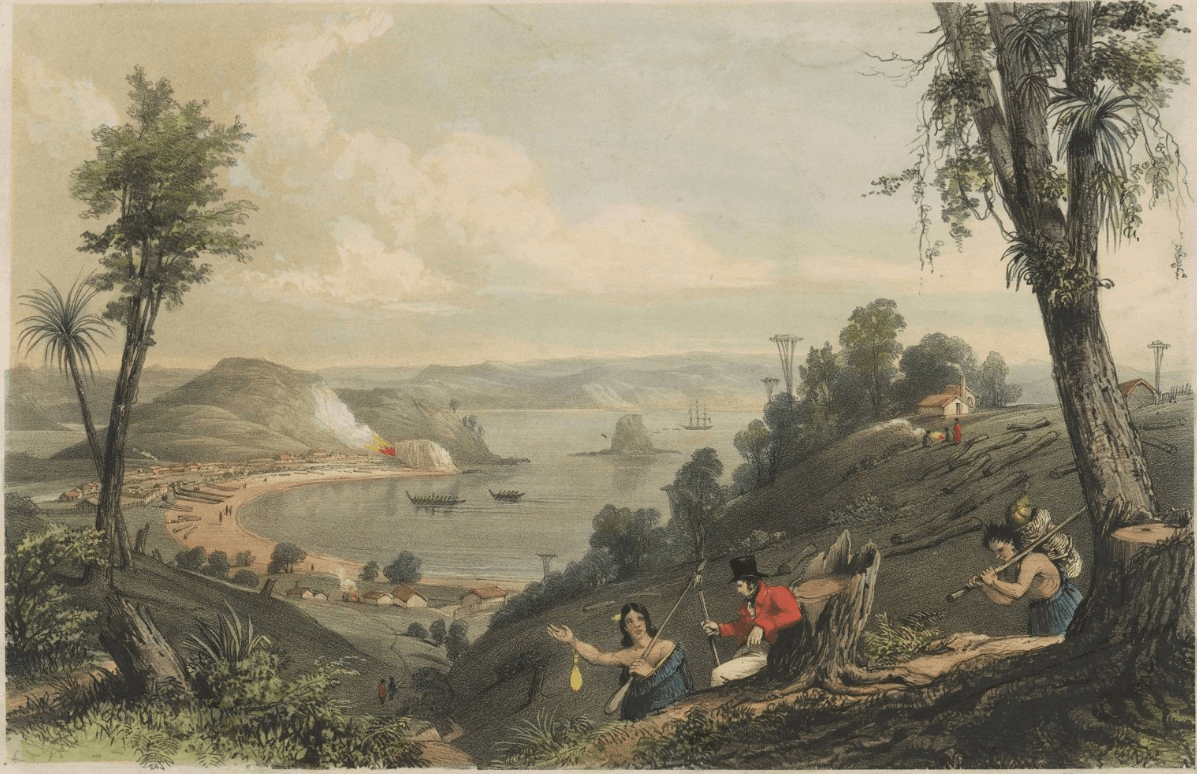
Sir James Stephen, the sagacious permanent head of the Colonial Office, wanted a government formed in New Zealand that would have jurisdiction only over “the Anglo Saxon Race” in the country. At no time prior to 1840 did Britain express a desire for the proposed treaty to usurp sovereignty over Māori.
To claim that rangatira would voluntarily surrender the authority they exercised over their hapū would be an extraordinary act of cultural misunderstanding. Not only were rangatira prepared to fight to the death to protect even slight incursions on their mana, but there is no evidence of even a single rangatira agreeing that their sovereignty over their hapū would be abandoned if they signed the treaty. None of the conversations captured by eye-witnesses at any of the signings and none of the hapū oral histories hint that even one rangatira saw the treaty-signing as a form of sovereign capitulation.
Then there is the immediate post-treaty history to consider. For five years after the treaty was signed, hapū sovereignty remained intact in the country – something that would have been inconceivable to the Crown if it had thought it had secured Māori sovereignty through the treaty.
Governor FitzRoy’s 1844 Native Exemption Ordinance clarified the limits of Crown sovereignty when it came to the country’s indigenous population, and expressed a desire that “the whole aboriginal native population of these islands be brought to yield a ready obedience to the laws and customs of England”. This statement is irreconcilable with the claim that Māori had fully ceded their sovereignty to the Crown four years earlier.
In 1845, when the Crown went to war with Ngāpuhi rangatira Hōne Heke and Kawiti, the British commanders enlisted the military support of some Northland hapū. The fact that hapū forces existed freely throughout the country would be untenable if the Crown believed it had assumed sovereignty over Māori.
However, history is not merely a snapshot of a period. It is a continuous flow of events, causes and effects. In the decades following 1840, a number of Māori communities acquiesced to Crown sovereignty. Most did so voluntarily, some reluctantly, and a few literally at gunpoint.
From the 1860 Kohimarama Conference through to the 1922 pamphlet on the treaty by Sir Apirana Ngata, there were many instances of Māori asserting the treaty meant they were subjects of the Crown – a metamorphosis from the stance of those rangatira who signed the agreement in 1840. By the turn of the 20th century, most rangatira felt encompassed by the Crown’s sovereignty over the country – but there were other leaders, such as Hōne Tōia and Rua Kēnana, whose communities were defiant outcrops of independence.
The role of the Waitangi Tribunal
When considering such critically important issues nowadays, there is an expectation the Waitangi Tribunal ought to be the country’s foremost authority on the meaning of the treaty. Unfortunately though, this expertise has suffered from occasional bouts of attrition. We can see this in the tribunal’s reference to the non-existent fourth article of the treaty, and the way it continues to cling to the idea that there is a great chasm between the English and te reo Māori versions of the treaty – even when recent affairs show they are essentially the same on central issues such as sovereignty.
Is the sovereignty matter finally settled? If what’s past is prologue, the answer would seem to suggest not. However, although the comment of “that’s your interpretation” will continue to be voiced by those on opposing sides of the issue, the areas of agreement about the treaty’s meaning continue to expand – even if they are unlikely ever to be settled completely.
Importantly, treaty issues are neither some contest waged from ivory towers, nor a matter to be resolved by protests or social media outbursts. Serious, informed, good-faith discussion, together with a willingness to try to understand the differences of others, is the best remedy against distortions of the treaty. But we have to be careful to avoid arriving at a point where competing visions of national identity chafe on contact with each other. No one who signed the treaty had that in mind.