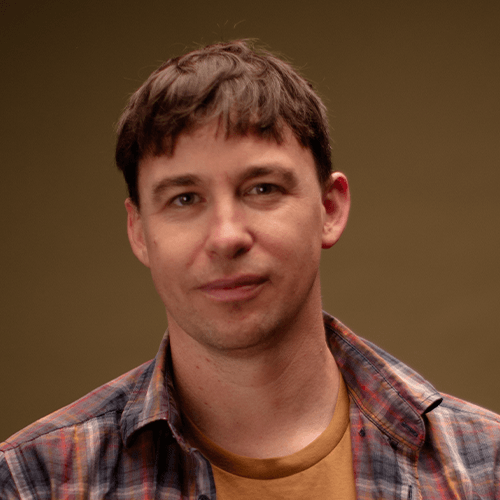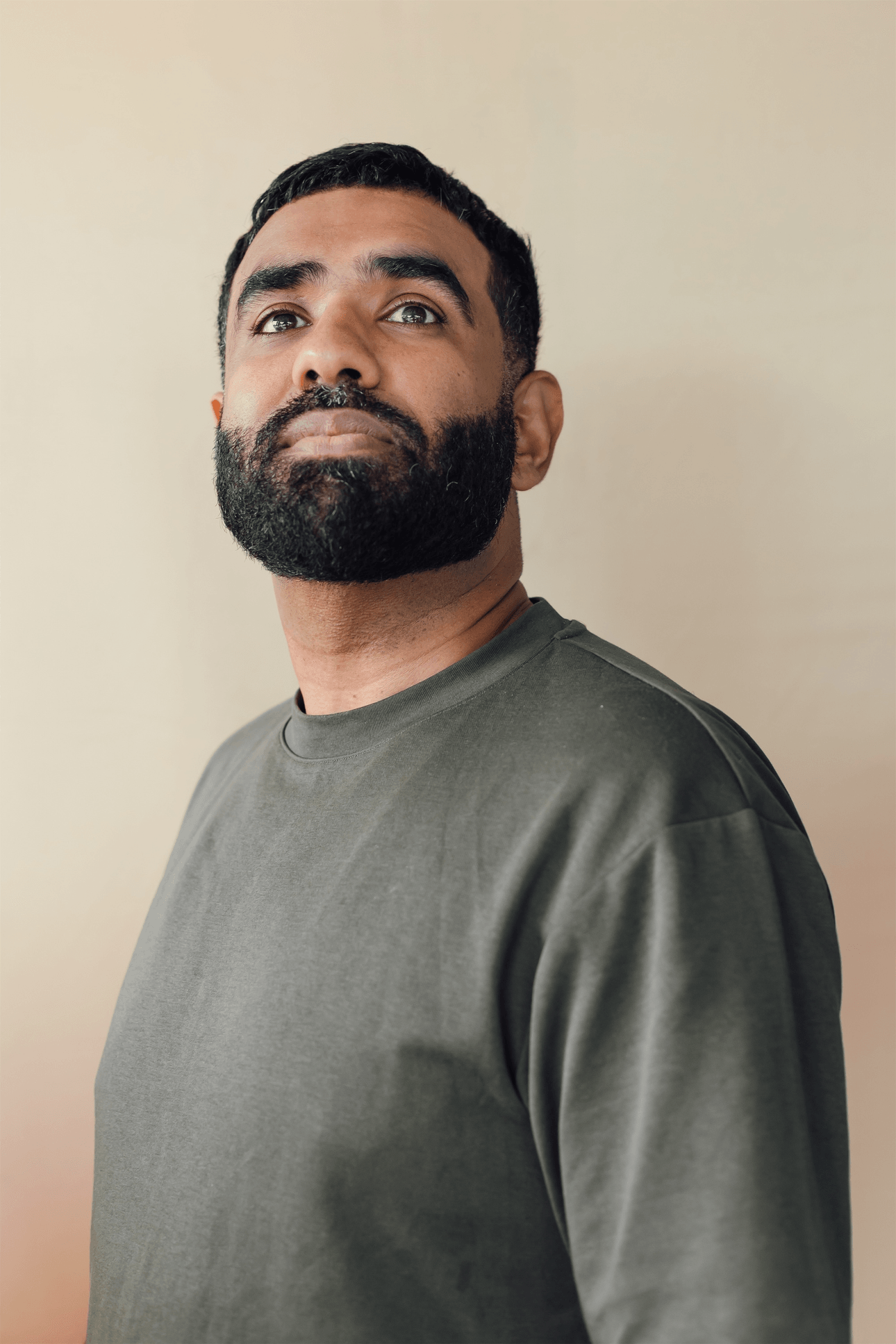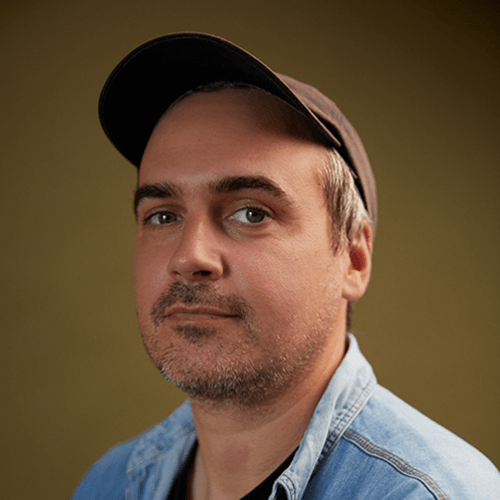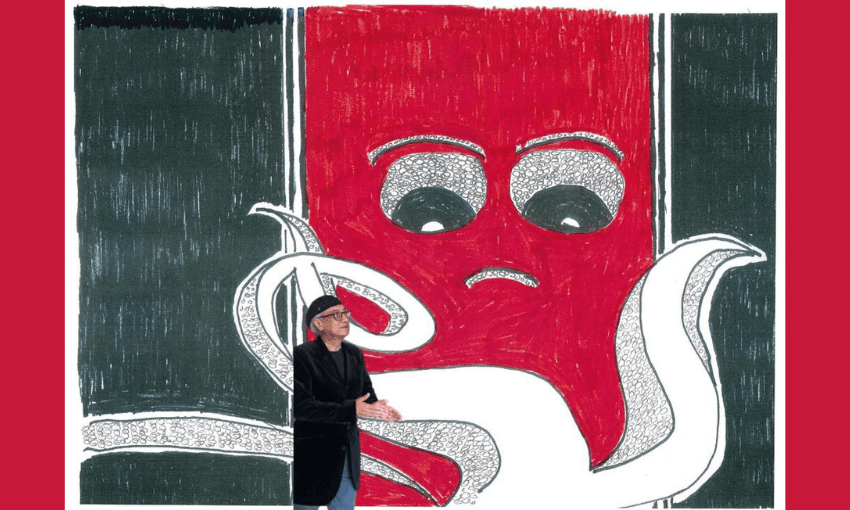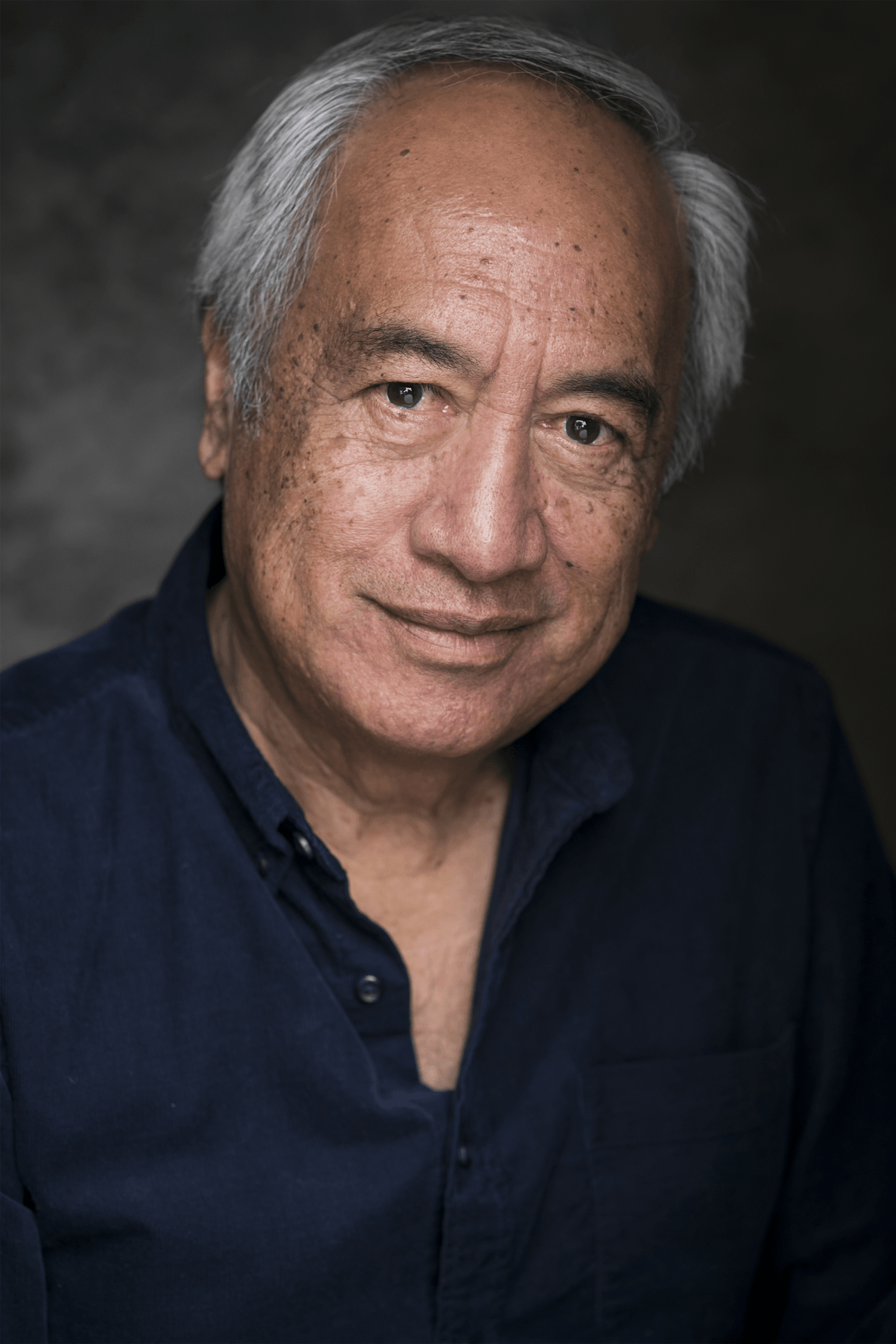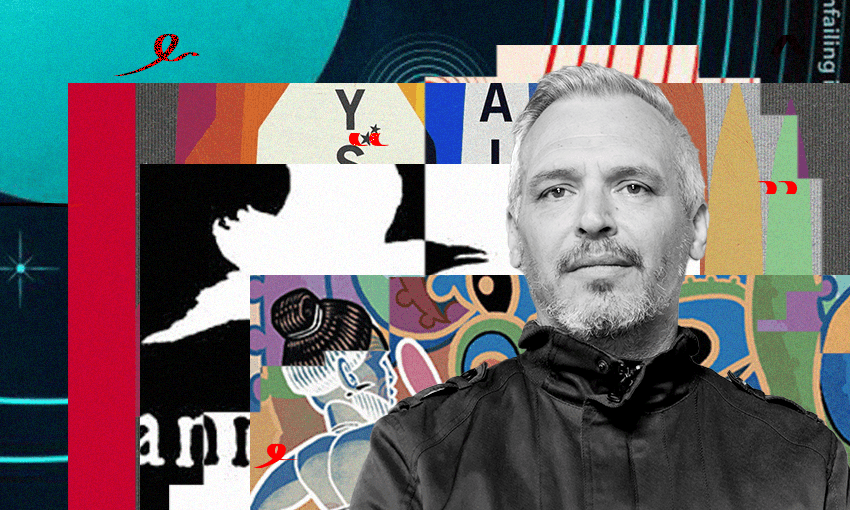

Welcome to The Spinoff Books Confessional, in which we get to know the reading habits of Aotearoa writers, and guests. This week: Mat Tait, author of Kupe and the Great Octopus of Muturangi.
The book I wish I’d written
That one that says “12 million copies sold worldwide” on the cover.
Everyone should read
The Great War For New Zealand by Vincent O’Malley. When I say “everyone” I particularly mean New Zealanders, and particularly in our current political moment when the colonial crimes of the past are once again being swept under the rug. O’Malley poignantly frames the Waikato War as a war for the future direction of the country, one in which had events gone differently (and there were several points at which they might well have done), an alternate New Zealand – or perhaps Aotearoa – may have emerged, one in which iwi sovereignty was upheld.
The book I want to be buried with
I don’t think I’d ever bury a book unless it was incriminating.
The first book I remember reading by myself
I don’t remember the first book I ever read out of choice, but I do remember a specific moment of triumph as an early reader at school overcoming a total mental block on the word “the”. The book in question was probably one of the Janet and John books which I think were still in use then.

The book I pretend I’ve read
There are a handful of books that I’ve kept on my shelves despite never having finished, and I suppose one reason I’ve hung on to them is for their aspirational value – they’re books that I think would be worth tackling again one day. But if I’m honest with myself the other, possibly bigger reason, is that I imagine they look impressive there, signs of a mighty intellect with impeccable taste to boot. While it’s true that if asked I wouldn’t lie, their presence is a small deception implying that they have indeed been read, and maybe even understood.
Until a few years ago, one of them would’ve been Gravity’s Rainbow by Thomas Pynchon, a book I got a fair way into before realising it was a grim and confusing slog I was only enduring because I thought I should. When having a clear-out of my bookshelves a few years ago its presence reminded me that I had actually once lied to someone about reading it – the instant shame got the book exiled straight away to the op shop where it no doubt caused issues for someone else.
Utopia or dystopia
I’ve definitely read a lot more dystopian fiction than utopian, probably because there’s a lot more of it. A utopia lacks inherent drama – it’s difficult to craft a compelling story around a perfect world – but Iain M. Banks (RIP) is an author who has found a way to do it in his series of Culture novels; sci-fi written in grand galaxy-spanning Space Operatic style. In the Culture, Banks has created as appealing and watertight an idea of a utopian society as possible (according to his own ideas of what that might be – the Culture has been described as hedonistic Space Communism, which sounds pretty good to me too), and then in each book he invents a scenario designed to test it, to see if its values (and presumably his own) will hold. Each stand-alone book is wildly imaginative and entertaining, as well as being a sincere and complicated moral inquiry into the responsibilities a post-scarcity society with god-like technological abilities may or may not have in a universe filled with war, suffering and want. In the novella The State of the Art, a Culture Contact ship assesses Earth of the 1980s allowing Banks to do the same, with the harsh analytical light of a view from the outside. It makes for some genuinely upsetting cognitive dissonance, while still being dramatic and fun as hell.
It’s a crime against language to
I told an editor that I would die violently on a hill for the Oxford comma when one was tidied away from a draft, and the email that granted it back appeared at least to be good-humoured.
The book that haunts me
Not a book but a short story called ‘The Bungalow House’ by Thomas Ligotti. It’s a story that manages to recreate precisely the feeling of a claustrophobic dream, evoking a universe in listless entropy, and a sort of sickly existential dread. If a piece of writing can make you feel like a dying bluebottle buzzing helplessly on a windowsill, then it’s doing something right.

If I could only read three books for the rest of my life they would be
Johnathan Strange and Mr Norrell by Susanna Clarke, Anna Karenina by Leo Tolstoy, and either Lords and Ladies, or Small Gods by Terry Pratchett. Probably Lords and Ladies because it’s got the Witches in it.
Encounter with an author
In the 1990s I worked in a French restaurant in London. We employees were informed one day that we would all be being questioned and assessed as security risks by Special Branch because Salman Rushdie was coming in for dinner the following night. I didn’t personally encounter him, though while running dishes up from the kitchen I did glimpse him and his dinner companion sat eating while dark-suited and presumably armed Special Branch officers hovered nearby. The situation was strange, and felt tense to me and the rest of the staff, though this was a few years into the Fatwa so perhaps Rushdie was by then oblivious to his protection, who anyway seemed keen to lurk in the shadowiest corners of the restaurant, discretely lethal.
Kupe and the Great Octopus of Muturangi by Mat Tait ($30, Allen & Unwin NZ) is available to purchase at Unity Books.