RIP special character protections, I always hated you

Demolition work taking place in Ponsonby following the passing of the new RMA in 2027.
Uh, did anyone else notice the new RMA gets rid of the rules we’ve been using to ban dense housing in places like Ponsonby, Thorndon and Herne Bay?
Since the government announced its dual-billed replacement for the Resource Management Act, discussion has centred around what it means for vegetable growers, if it will adequately protect the environment and whether social commenters are right that The Spinoff’s Joel MacManus should be exiled to the moon for saying something moderately positive about Chris Bishop. Just like the one they’re likely to supersede, the two new bills are lengthy. Their tendrils extend to all areas of society. Things can get overlooked, and in the coverage so far, it seems like many people may be missing the minor matter of how the laws will effectively scrap the rules we’ve been using for decades to ban dense housing in our cities’ wealthy inner suburbs.
The wording in the government’s planning bill is clear and exhaustive, almost like it’s trying to ward off loophole-seeking legal shenanigans. In a section on what authorities will no longer be allowed to consider in their planning decisions, it bans them from taking into account “character, appearance, aesthetic qualities, or other physical features”. Looking at “landscape” concerns or the “social and economic status of future residents of a new development” are similarly off-limits. There is an exception though: sites of significant heritage will still be preserved under the act.
“Checkmate dumb ass,” the well-to-do burghers of Freemans Bay may respond. “The thousand-year reign of our heritage villas will continue.” They could be forgiven for thinking that, given media coverage of Auckland’s eternal, immutable housing debate often confuses the campaign to put Ponsonby and Grey Lynn in a 1940s time prison with heritage preservation.
But Auckland doesn’t have many sites of significant heritage, as defined under the Heritage Act. Instead a huge amount of the city, including 41% of residential-zoned land within 5km of the city centre, is cut off from development by special character protections, and an interesting thing to note about special character is it’s essentially a made up category that boils down to “vibes”.
Namely, old rich vibes. There’s some crossover between the buildings we call character and the ones we designate heritage. Many of Auckland’s villas date back at least a century to their origins as worker cottages, primarily occupied by Pacific families. But those families were systematically displaced by rising house prices brought on by development bans and many of the wealthier families who took their homes carried out extensive renovations. They put in double garages and pools and demolished sections of the buildings to build modern extensions.
Planners know many of those villas wouldn’t meet the definition of heritage anymore. Character rules are a kind of workaround, aimed at preserving the historic feel of an area if not its historic substance. Supporters say they’re meant to “tell a story of the past”. Opponents like Waitakere councillor Shane Henderson say by ensuring housing scarcity in the city’s most desirable suburbs, they enshrine gentrification. “These are gated communities without the gate,” he says.
One thing’s for sure: these suburbs are dying. In both Auckland and Wellington, their populations are dropping. Children aren’t living there anymore and school rolls are shrinking. Bishop is clearly weary of entire well-connected, high-amenity suburbs being locked off from development, especially when many of the houses within are of dubious historic value. “Special character protections under the RMA are put in place to protect “amenity” (the look and feel of an area), not historic heritage,” a statement from his office says. Under the new act, construction will only be cut off if houses meet a “site-by-site assessment for significant historic heritage”.
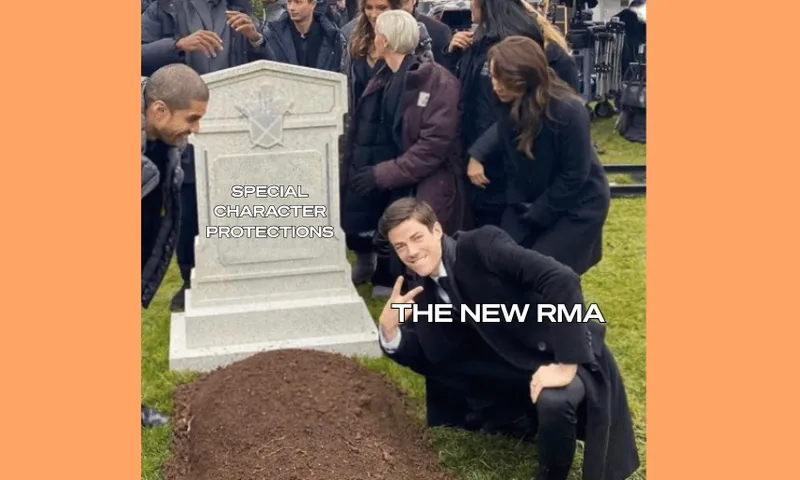
In other words, no more preserving whole suburbs in amber under vibe laws, Mr Council. To actually get an apartment exemption, you’ll need to be a historic house, not just near to one. Bishop’s statement says character protections will be on the chopping block in 2028 or 2029, when councils are expected to put new land use plans in place to comply with the government’s planning bill.
Coalition for More Homes spokesperson Scott Caldwell is excited by the proposed law. He’s also cautious, partly because government parties have a history of speaking out against their own legislation when it threatens villas, but mainly because we’ve been here before. The bipartisan townhouse bill supported by Labour and National in 2021 also required “site-by-site” inspections for development restrictions. Auckland Council came up with a complicated, questionably legal workaround that allowed it to retain many character areas as a whole. Then when it got the option of opting out of that bill entirely this year, it seized it and promptly opted to restore almost all the character protections it had previously been obliged to at least pare back.
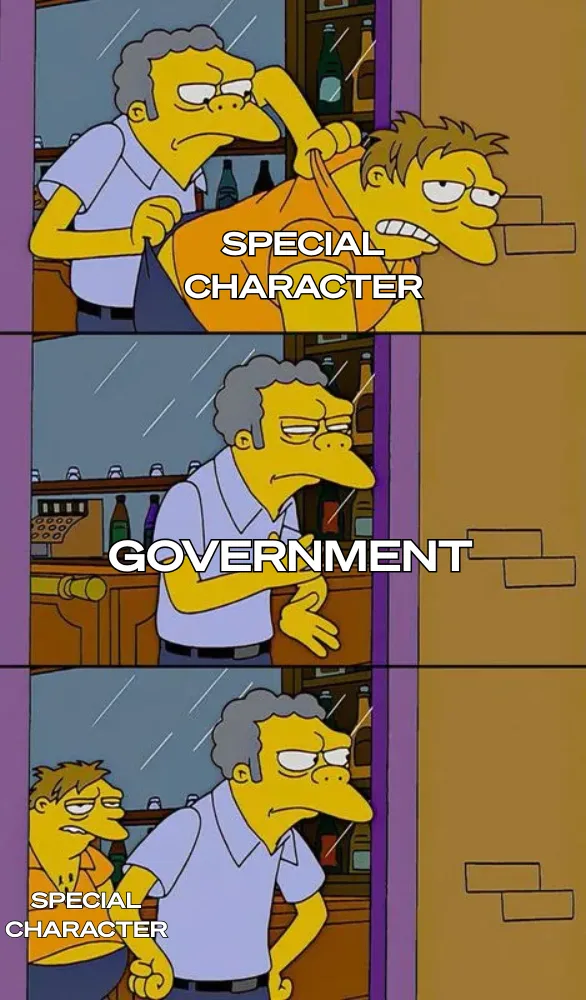
Similar stories have played out in Christchurch and Wellington and could do again, Caldwell says. “The new RMA – although it’s quite descriptive about how planners should be making controls – it’s still the same actors who will be doing planning under the new system,” he says.
Caldwell lists a bunch of options councils could still pursue under the new legislation. They might look at banning construction to protect views from the street, he says. “Or they could say they’re protecting special character, not character.” If nothing else, councils have shown themselves to be at their most imaginative when it comes to preserving the wealthy suburbs where their most reliable voters reside. Their most longstanding, tried and true method in that mission looks like it’ll be off the table soon by the letter of the law. They may accept it’s over – or get creative. It’ll be exciting to see what they come up with next.

Hayden Donnell
Hayden Donnell is a senior writer for The Spinoff. He previously worked at RNZ, TVNZ and the New Zealand Herald, alongside other media companies that have since closed down or been renamed. His primary passions are local politics and the Big Fresh animatronic fruit and veggies.


