Mould, dust and gas: How to keep your home ‘safe as houses’

Home comforts. (Image: The Spinoff)
Your home can harbour hidden hazards. Here’s your guide to avoiding illness and accidents.
Home. It’s where we sleep, eat, bathe and raise our families. But where we live can have a huge impact on our health, causing everything from runny noses and asthma to heart disease. What we do at home can be damaging too. Nearly half of all ACC claims are for accidents at home. In 2025 the cost of active claims for injuries around the home was almost $2.5 billion. Look around many New Zealand homes and you’ll probably find dust, mould and a dodgy heater. Let’s take a look at the risks and how you can mitigate them.
The mould
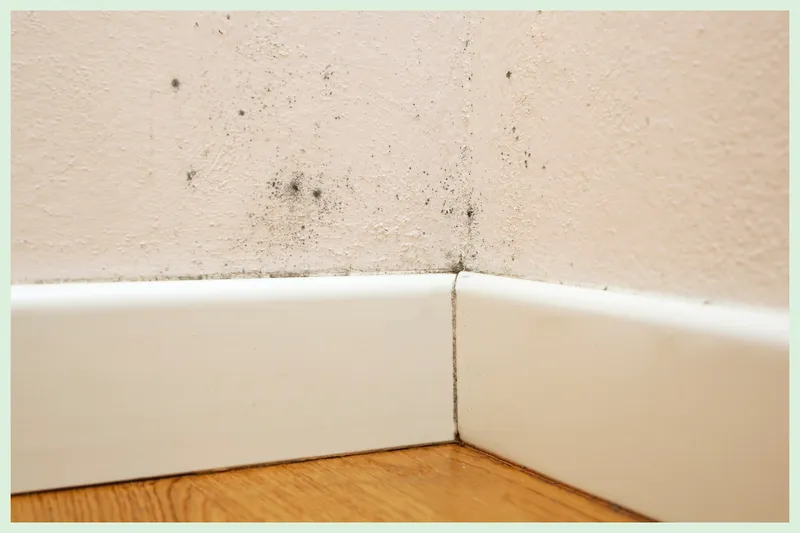
Mould is an all-too-familiar sight in New Zealand homes. The Spinoff has even ranked the worst offenders. Mould can hide behind curtains, lurk in corners and even under the bathroom lino.
The good news is small amounts of mould usually doesn’t cause any health problems. According to the government’s mould guide, “most moulds are harmless to healthy individuals and occur naturally in our environment”.
Still, that doesn’t mean you should be ambivalent if you spot it. The more mould, the more risk. That’s because it might seem like there’s mould on your ceiling or wall, but there could also be spores in the air around you. That can make you sick, causing or exacerbating asthma, eczema, allergies, sinus and respiratory issues, as well as red eyes, skin rashes, gastroenteritis, “sneezing fits” and even, for one unlucky renter, lung fungus.
Unsurprisingly, it’s more likely to affect renters; 22.9% of surveyed renting households recorded having mould, according to the Environmental Health Intelligence New Zealand’s 2023 Dampness and Mould in New Zealand Households report, compared to 10.4% of owner-occupied dwellings. Over a third of Māori and Pacific households who didn’t own their home reported mould larger than a sheet of A4 paper.
What you can you do about it
Found mould or mildew? Remove it as soon as you can, before the problem gets any worse. Consumer NZ advises using soapy water to wipe it away, making sure the area is completely dry afterwards. Some experts suggest a 70:30 solution of white vinegar and water.
For toxic strains – these require testing – the Ministry of Health recommends commercial mould cleaner. Or you could call in the professionals.
The damp
You know it when you feel it. You might notice a musty, dank smell in the bathroom or moisture droplets on your kitchen ceiling (cooking generates around three litres of moisture each day). It’s not just a bit gross, it can be bad for you.
Dampness has been associated with higher rates of common health issues, including colds, rhinitis, eye irritation, sore throats and hayfever. It can also affect your mental health; studies have linked damp environments with stress, anxiety and depression.
Rentals are twice as likely to be damp compared to owner-occupied houses (a third of New Zealand households rent). Rates are even higher for social housing and Māori and Pacific homes. Draughty old bungalows and leaky-building-era dwellings aren’t the only homes to grapple with dampness – there are concerns that “airtight” new builds can trap moisture inside.
Dampness usually goes hand in hand with mould. If your home’s damp, chances are you’ll have some mould somewhere – or will soon. Both are contributing factors to rheumatic fever, which disproportionately affects Māori and Pacific children, with more than half the country’s cases in Auckland. But in good news, the Healthy Homes Initiative – which includes a network of curtain banks – has helped reduce the housing-related hospitalisations by 18.6% over five years.
What you can do about it
Minimise moisture. Kāinga Ora advises wiping condensation from windows, keeping lids on pots when cooking and making sure surfaces stay dry. Ventilation and circulation are your friend too. This means placing furniture away from walls and opening windows or using an extraction fan if you have one. Under the Healthy Homes Standards it’s compulsory for rentals to have extraction fans and windows that open. Drying your washing inside is discouraged unless you’re using a vented clothes dryer (easier said than done). And at a building level there are some things homeowners can do, from improving ground drainage and moisture barriers to installing double glazing.
The bedroom
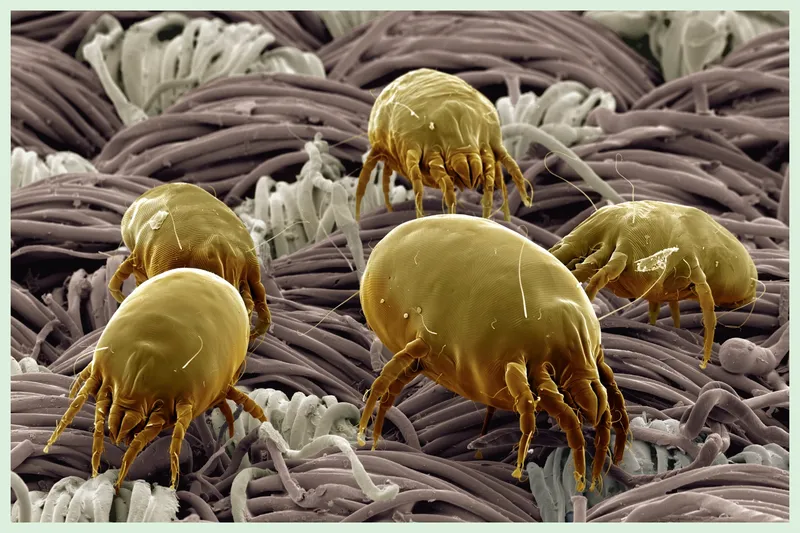
Is your bed a “microscopic eco-forest”? Let’s hope not! Sweat and dead skin creates a literal breeding ground for bacteria and dust mites (gross!). It’s their secretions and poo (gross!!!) that many people are allergic to, and they can cause conditions including asthma, eczema and hayfever, as well as lovely symptoms like fatigue, facial pressure, headaches and postnasal drip.
New bed? That comes with its own health concerns: off-gassing. The term describes the chemicals released by mattresses, with recent research finding concerning amounts of toxic phthalates and flame retardants around children’s beds. Those chemicals have been linked to all sorts of health issues.
What you can do about it
Keeping your bedding clean is a big one. Experts advise washing sheets and pillows at 60°C or higher to remove allergens. A hot dryer cycle helps, as does ironing sheets. Showering before bed washes away allergens and dead skin, which dust mites love, alongside humidity. And ventilate!
The dust
It’s not just in your bed, it’s everywhere: behind the television, under the bed, on top of the bookshelf. Around half of dust’s composition is dead skin cells. Gah! It’s also a fire risk: “combustible dust” can ignite in the right conditions.
What you can do about it
Dust it. Start at the top and work your way down; that means doing bookshelves and upper-storey rooms before you even look at the skirting boards. A vacuum cleaner with a brush attachment followed by a damp microfibre cloth works wonders. For places with thick, greasy dust, like the kitchen, use a dilution of dish soap and hot water with paper towels or an old rag. Don’t forget to dust your house plants (they need to breathe too). And to minimise how much you have to dust in the first place, there’s always a HEPA-filter air purifier. Rugs? Shake or beat them outside.
The heater
OK, these are good. They reduce dampness and keep you warm, which is what you need when it’s shaping up to be a cold winter.
However, old-school, unflued gas heaters (remember those?) aren’t great for you. They can release carbon monoxide (super dangerous) and contribute to indoor air pollution, which is estimated to cost our healthcare system $102 million each year. Gas heaters can also exacerbate dampness inside the home, adding as much as a litre of moisture per hour to the air.
A crackling wood fire might be cosy, but that’s not necessarily healthy either. A 2025 study into indoor air pollution by the Energy Efficiency and Conservation Authority linked wood burners to 446 hospital admissions and 101 early deaths in New Zealand each year. The fine particles in wood smoke can increase your risk of stroke, dementia and other health issues.
Any and all heaters pose a fire risk. They are one of the most common causes of house fires in New Zealand, including fatal incidents, tragedies often caused by desperate people using inappropriate heating appliances indoors to stay warm.
In its effort to improve the poor quality of rental housing in New Zealand, the Healthy Home Standard, which came into full effect on July 1 last year, dictates minimum heating standards for rentals.
What you can do about it
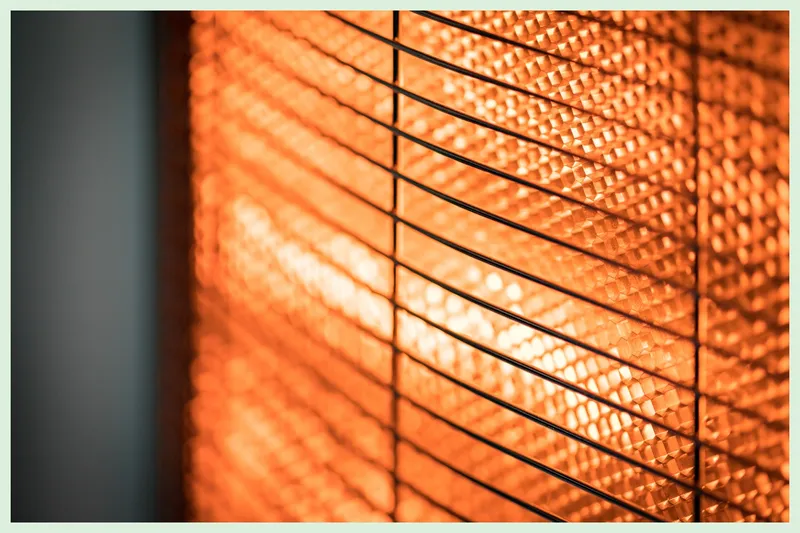
Make sure you’re using a safe method of warming your home. Heat pumps, wood burners, pellet burners and flued gas heaters all fit the requirements of the Healthy Home Standard, as do fixed electric heaters if a place is small enough.
Keep your heater well away from furniture, curtains and rugs. Electric heaters should be plugged straight into the wall (rather than using a multi-box) according to Fire and Emergency NZ (FENZ), which has heaps of advice on heater and fire safety.
And whatever you do, don’t use any heaters designed for external or well-ventilated environments inside the home.
The kitchen
Cooking can be a risky business. Hot surfaces and sharp knives spark many ACC claims, and a quarter of New Zealand house fires start in the kitchen, according to FENZ.
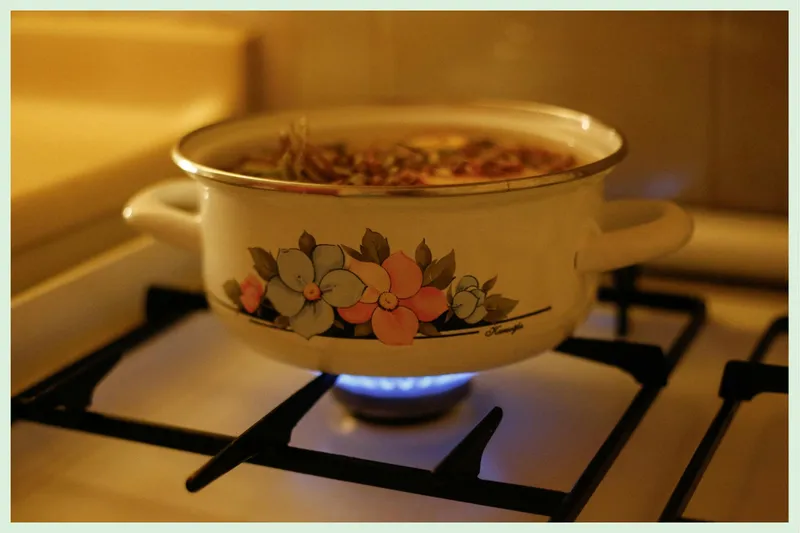
Gas stoves can also cause air pollution indoors, something the WHO attributes to serious health conditions, including strokes, lung cancer, heart disease and lung disease. They can release nitrogen dioxide, carbon monoxide, formaldehyde and benzene. Yikes. Gas fumes are associated with respiratory and cardiovascular illnesses, childhood asthma and contribute to hundreds of early deaths annually.
What you can do about it
Practise simple kitchen safety. Be careful when handling knives, hot pans, stovetops and the oven. Keep your stove clean of any fat and oil, make sure the room is well ventilated and don’t walk away when cooking. Don’t use your toaster in the cupboard, that’s a fire risk. Rangehood filters should be cleaned regularly – they’re a common cause of kitchen fires. FENZ recommends keeping a fire extinguisher and fire blanket in the kitchen.
The bathroom
Falls are the most common kind of injury that happens in the home and bathrooms are a slippery, vulnerable (naked) environment. They’re also the perfect environment for mould to grow.
What you can do about it
Get a nonslip bath mat. And while you’re at it, consider a rubber mat for inside the shower or bath.
Mould on your shower curtain? Clean it off with water and soap, then dry it thoroughly. That black stuff on your grout is actually a fungus called aureobasidium – spray that with equal parts water and bleach.
You might also want to check the heater while you’re in the bathroom. WorkSafe prohibited the sale and use of Serene S2068 bathroom heaters back in 2024 due to safety concerns – “a significant risk to lives and property” – but many may still be installed in New Zealand homes.
The decor
Modular shelving? MDF and particleboard, all common and popular in New Zealand, have raised alarm bells due to the use of resins that contain formaldehyde, a carcinogen.
And remember what we said about trips and falls? Most of these happen at home.
There’s danger at the window too. Blind cords carry a risk of accidental asphyxiation for small children.
What you can do about it
Redecorate to minimise your risk of falls. Live Stronger For Longer advises decluttering, downsizing furniture and moving hazardous cords. Mind that coffee table! Replace corded blinds with cordless alternatives, like curtains. But if that’s out of the question, Starship advises parents to move furniture away from blinds and make sure cords are out of reach.
Emma Gleason
Emma Gleason is a staff writer at The Spinoff and an award-winning fashion journalist. But it’s not just clothes that interest her, you’ll find her exploring tasty cheese, influenza outbreaks and more important things right here. She has experience with some of the country’s leading media outlets as well as the toaster in our kitchen.


