Allbirds at 10: How a $6 billion sustainable footwear dream unravelled

Allbirds’ decline has been dramatic.
A decade on from those first wool sneakers, let’s trace the road from 2016 to 2026.
The San Francisco-based footwear company with a New Zealand founder soared during the era of idealistic startups, Silicon Valley optimism and sustainable ambition. Its material innovation went well beyond the pioneering merino, exploring eucalyptus blends, sugar cane foams and plant-based leather. In 2021 the company was valued at over US$4 billion (around NZ$6b). Last week Allbirds announced all but two US stores would be closed. How did we get here?
2014
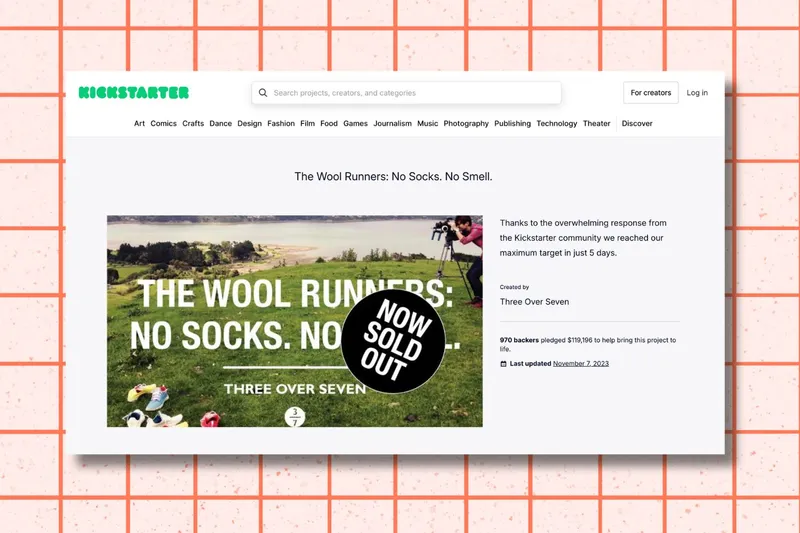
Former All White Tim Brown had been thinking about wool sneakers since 2007. A 2014 Kickstarter campaign promised “wool runners: no socks. no smell”. They would be designed in New Zealand by Jamie McLellan and made in Portugal, and $US30,000 was needed to go into production and break even. Thanks to 970 backers, the target of $100,000 was reached in only five days.
2016
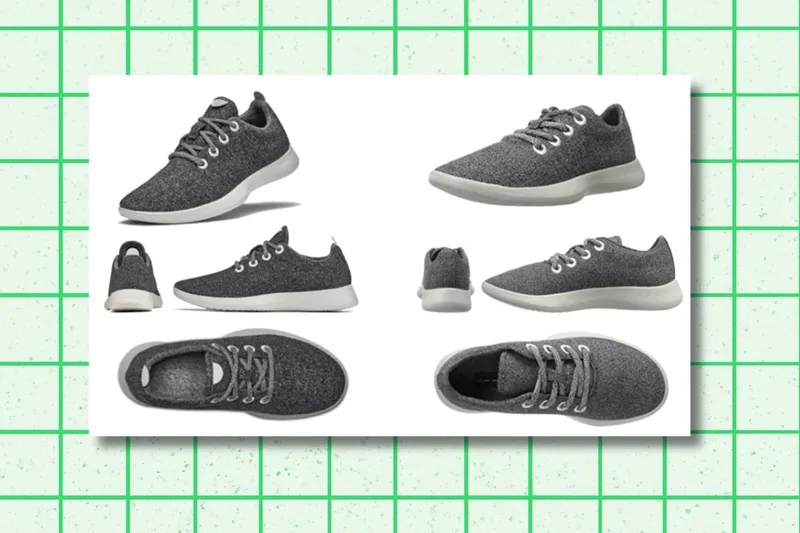
The sneakers launched on March 1. So did Allbirds’ first fundraising round. Brown was co-founder and co-CEO alongside Joey Zwillinger, an American industrial engineer who invested in the Kickstarter and later joined the company. The company’s focus on sustainability helped it become a certified B Corp in December. Time called its sneakers “the world’s most comfortable shoes”. A pair of the original machine-washable Wool Runners cost NZ$158 and came with a 30-day trial period.
The point of difference was a merino upper – light, breathable and moisture-wicking.
The proprietary fabric was manufactured in Italy by textile company Reda, using wool sourced from NZ Merino in Christchurch. It was then made into sneakers by the brand’s manufacturers in South Korea.
The shoes were only available online from Allbirds. Direct-to-consumer (DTC) brands heralded what felt, at the time, like a transformative new digital era for retail: lower prices, faster dispatch and more flexibility.
2017
Allbirds found fans in venture capital firms and Silicon Valley, enough to warrant a New York Times story noting “this insular world has settled on Allbirds”. Google co-founder Larry Page and one-time Twitter chief Dick Costolo wore them.
Celebrities followed suit: Oprah Winfrey, Gwyneth Paltrow, Matthew McConaughey, Jennifer Lopez, Emma Watson, Lady Gaga, Mila Kunis and Hilary Duff. Even “Paul Goldsmith, and Ben Affleck” had some.
The brand’s mission was an inspiring one to buy into. Slip-ons, plant-fibre sneakers and children’s shoes – Smallbirds – were added to the range and stores were opened in New York and San Francisco.
In the wake of the brand’s success, the footwear market saw a boom in stylish, streamlined sneakers – some of which looked suspiciously like Allbirds. The company sued Steve Madden for trade dress infringement, alleging the American footwear giant had copied its distinctive wool shoes. The lawsuit was dropped in 2018 after the two companies reportedly reached an undisclosed settlement.
2018
Allbirds was spreading its wings. A third store opened in London (an international president, Erick Haskell, was appointed) and the NYC store moved to Soho where “just a handful” of shoes were on display in the 4,800-square-feet space, described in detail by The New Yorker.
The brand had sold a million pairs of shoes worldwide by 2018. Leonardo DiCaprio had some and he invested in the company. By December the brand had raised US$77.5 million and was valued at $1.4 billion – “unicorn” status.
Jacinda Ardern gave some Allbirds to Australian prime minister Malcolm Turnbull. Republican Paul Ryan was spotted wearing a pair too.
Allbirds launched jandals (made from sugarcane) and the Tree Runner sneaker (certified by the Forest Stewardship Council). It collaborated with Shake Shack, Air New Zealand and Forest & Bird. The latter saw limited-edition designs inspired by the kea, the 2017 Bird of The Year (kererū, hoiho and kākāpō would follow).
2019
The brand’s influence saw more imitators emerge. In September it filed a trademark infringement claim against Austrian firm Giesswein Walkwaren AG. Amazon also released a shoe “strikingly similar” to the Wool Runner.
Allbirds added a self-imposed carbon tax to its footwear (declining to reveal per-shoe numbers) and, though the original Kickstarter campaign said “no socks”, launched carbon-neutral socks made from merino and recycled bottles. A new material made from sugarcane, SweetFoam®, was introduced for midsoles. Trino®, made from eucalyptus and merino, was developed for apparel. In December Allbirds recertified as a B Corp.
2020
The Covid years. Everyone was wearing sneakers, sweatpants and shopping online. From the depths of lockdown California, Brown told The Spinoff that Allbirds would be publicising the carbon footprints of its shoes and garments, making it the first fashion brand to label all its products. They hoped to reach net zero one day. “The holy grail is negative impact,” Brown said.
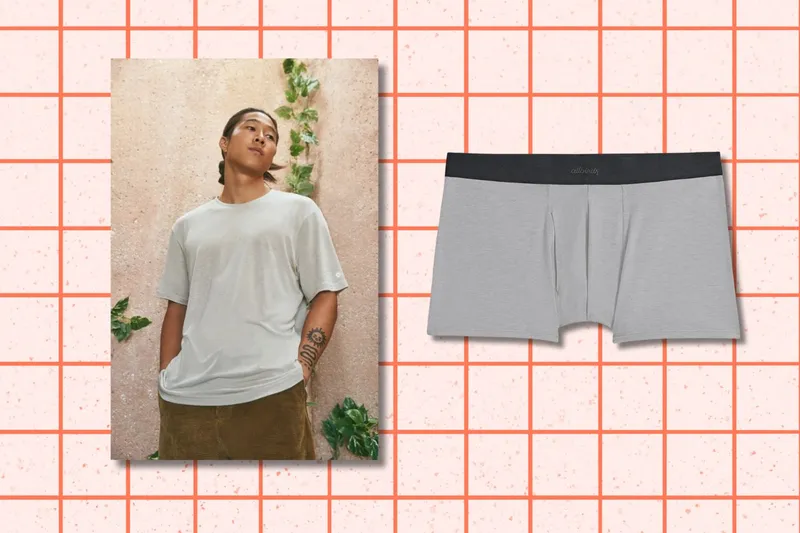
Allbirds was growing. Brown and Zwillinger were reportedly earning US$250,000 salaries. Online sales were strong, accounting for 90% of its US$219 million revenue. Barack Obama wore the sneakers. The brand kicked off a collaboration with Adidas, created merino-blend underwear and launched a clothing capsule; some yarns were made from the shells of Canadian snow crabs, a byproduct of the seafood industry.
2021
Allbirds and Adidas released their sneaker collab, which boasted the lowest carbon footprint either brand had achieved in a shoe to date; 100 pairs were available via raffle. Dipping its toe further into apparel, Allbirds debuted its athleisure collection after two years of development.
In April the company made its carbon footprint tool open source. Sustainability and manufacturing ethics were front of mind for the industry and the frequent, hype-led drops favoured by other brands were earning criticism.
Allbirds drew attention of its own. Peta alleged the brand’s “claims regarding sustainability and humane treatment are misleading and wrong”. It inspired a class action lawsuit (Dwyer v Allbirds Inc) alleging the company “made misleading claims regarding the environmental impacts of its wool shoes as well as misleading animal welfare claims”.
Businesswise, things looked better. Allbirds went public with an initial public offering (IPO) in November; during its Nasdaq stock exchange debut, shares were issued at US$15 each and reached $27.55, while its market capitalisation hit US$3.52 billion. (Claims of being the first “sustainable” IPO were dropped.)
2022
The brand picked up wholesale accounts, including Nordstrom, launched resale programme Rurun on its own channels, and invested US$2 million in plant-based leather research. Revenue hit a high of US$297.8 million… before dropping. Shares were 90.4% down on the heady days of the IPO in what the Herald’s Chris Keall described it as “annus horribilis” for Allbirds.
The athleisure line was discontinued. The love from Silicon Valley was waning too, with the Wall Street Journal reporting that the “tech bros” had moved on. Meanwhile growth was slowing across the sneaker industry following years of hype.
At least the company’s motion to dismiss Dwyer v Allbirds Inc was granted. Forging ahead, Allbirds opened design headquarters in footwear hub Portland and made strategic hires from Nike, Adidas, Reebok and Lululemon.
2023
By the end of the year Allbirds had 45 US stores. It also counted annual losses of US$101.4 million and a sinking share price. Brown moved to the role of chief innovation officer, making Zwillinger the sole CEO. CFO Mike Bufano resigned, replaced by Adidas alumna Annie Mitchell; 21 employees were laid off.
Zwillinger acknowledged post-IPO “missteps” during an earnings call, including over-prioritising products outside the brand’s foundational offering, shifting its focus away from the “core consumer”.
In April a group of Allbirds shareholders filed a consolidated class action lawsuit against the company, its executives and directors. The case (Gennady Shnayder v Allbirds Inc, et al) accused them of securities fraud and misleading investors ahead of the IPO. Defence centred on “fraud by hindsight” – strategic mistakes realised at a later time amid the evolving market and its myriad challenges.
An additional suit, filed in August by shareholder Barbara Wolfson, alleged dissemination of “inaccurate financial information, causing a significant stock drop and subsequent securities class actions”. (The case was closed two months later after Wolfson filed a voluntary dismissal)
By July the Wall Street Journal was wondering “how Allbirds lost its way”.
2024
A “challenging” period. New Zealand and Australian distribution was signed over to Compendium Group, which took control of retail, staffing, wholesale and “all business activity across Australasia”. Globally, a full-year loss of US$152.5 million was reported in March. In April Allbirds received a notice of non-compliance from Nasdaq, warning of delisting if share prices didn’t improve. Zwillinger stepped down as CEO, replaced in March by Joe Vernachio. A new CFO was appointed.
In May district judge Araceli Martínez-Olguín granted the company’s motion to dismiss the Gennady Shnayder v Allbirds Inc case, but that was some of the only good news of the year. Revenue fell 25.3% in 2024, attributed to low unit sales and closures of underperforming stores. Allbirds’s market capitalisation had slid from that 2021 high of US$3.52b to US$4.5 million, a drop of 97%.
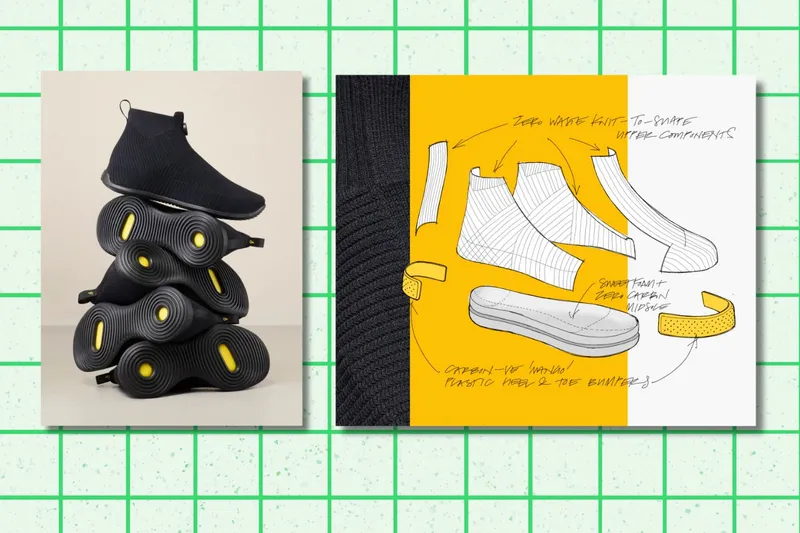
There were some highs. The Moonshot Zero, billed as the “world’s first zero carbon shoe”, was unveiled.
2025
Allbirds released 500 Moonshot pairs in February. That same month judge Martínez-Olguín dismissed the class action suit… again. Stanley Tucci was enlisted for a video series in March. The Wool Runner NZ was launched in August; it’s a revamped version of the original Wool Runner with more support and a higher price tag.
Meanwhile the company was exploring “tactics to handle the escalating tariff costs, including increasing prices”. The San Francisco flagship store was closed in January.
The sneaker market continued to show signs of waning. Luxury sneakers – high-priced footwear from brands like Gucci and Balenciaga – were in decline and losing their “it status”. Speculative sales were slowing too. British Vogue declared “sneakers are out, real shoes are in”, pointing to the adoption of hard-bottom shoes like loafers instead.
2026
January analysis from the Bank of America pointed to a “long-term slowdown” for the sportswear and sneakers sector; it may signal an end to the casualisation of post-Covid fashion. On the street, however, people are still wearing sneakers. They account for half of global footwear sales.
This week Adidas announced record revenue for 2025 (though sales dipped in North America). New Balance sales are trending upwards. Hoka and On are enjoying demand, while Nike is more challenged; last month it cut 775 jobs in the US.
On January 28, Allbirds announced it was closing all remaining full-priced stores in the US in an effort to streamline operations and support profitability. “By exiting these remaining unprofitable doors, we are taking actions to reduce costs and support the long-term health of the business,” CEO Joe Vernachio said in a statement. By February its global footprint will have shrunk to four company-run stores – two shops in London, and two American outlet stores – down from 60 in 2023. (The Auckland store is understood to still be run by Compendium Group.)
March will mark 10 years from the launch of the sneaker that started it all. Everyone’s looking back on 2016 fondly while here in 2026, Chris Hipkins wore Allbirds at Waitangi last week.
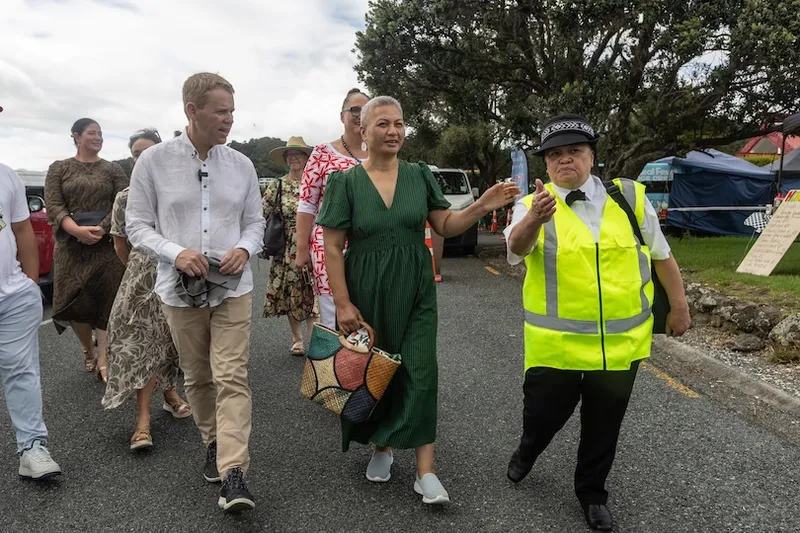
Allbirds did not respond to The Spinoff’s requests for comment.

Emma Gleason
Emma Gleason is a staff writer at The Spinoff and an award-winning fashion journalist. But it’s not just clothes that interest her, you’ll find her exploring tasty cheese, influenza outbreaks and more important things right here. She has experience with some of the country’s leading media outlets as well as the toaster in our kitchen.


