Farewell Fletcher Construction: 11 of the company’s biggest builds

Fletcher Building is selling its construction division. (Photo: Dave Rowland/Getty Images).
Fletcher Building has sold its construction arm for $315 million to French company Vinci Construction. We take a look at some of its most influential developments over the past century.
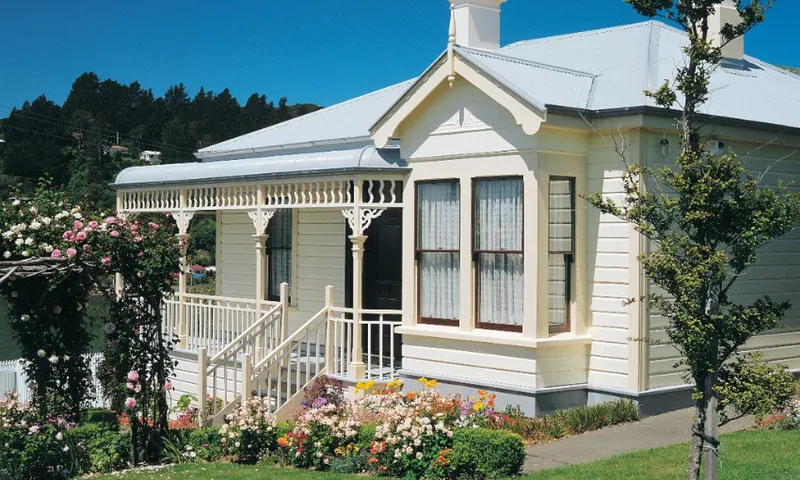
With roughly 3,700 employees and significant involvement in major infrastructure projects, Fletcher Construction has been a mainstay of the New Zealand construction industry for decades. Its story began in 1909, when Scottish builder James Fletcher built a house in Broad Bay, Dunedin. Two years later, Fletcher and his brother William John Fletcher incorporated the company after seeing a need for quality building housing and construction.
By 1919, the company had established a presence in both Auckland and Wellington, eventually relocating its headquarters to Auckland in 1925. For much of the past century, Fletcher sat comfortably among New Zealand’s most successful corporates, growing alongside the country itself and building everything from tunnels and towers to stadiums, universities and airports. But in recent years, that dominance has come under pressure. A broader slowdown in construction activity across New Zealand and Australia has hit Fletcher’s building materials division hard, while its construction arm has been mired in cost blowouts, delays and high-profile disputes – most notably over Auckland’s International Convention Centre. The sale of its construction arm was earmarked last year, with the company citing a desire to focus on its building materials division.
To mark this end of an era, here’s a look back at some of the company’s most significant projects in New Zealand over the last 100 years.
Sky Tower
For better or worse, Auckland’s defining feature since the late 1990s has been a massive concrete and metal needle piercing the sky. Completed in 1997, the Sky Tower announced that the city had global aspirations – and Fletcher was central to making that vertical flex a reality. At 328 metres tall, it demanded engineering precision at a scale New Zealand hadn’t seen before, cementing Fletcher’s reputation as a company willing to think big, and high.
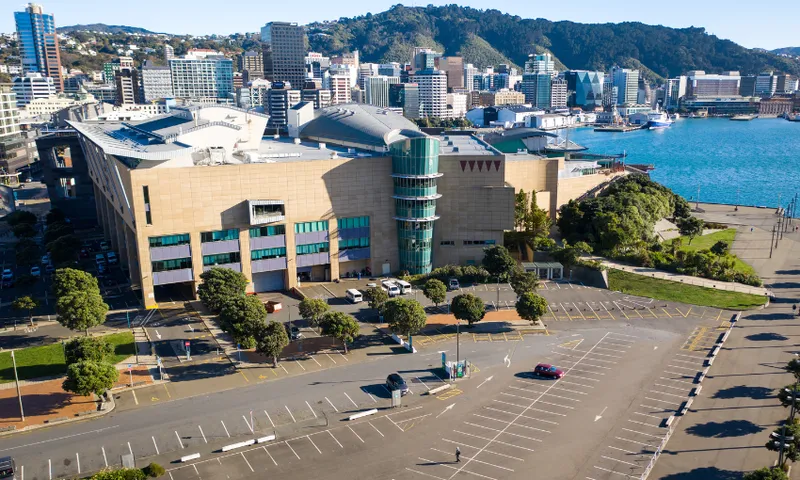
Te Papa Museum
When Te Papa opened in 1998, it was bicultural, bold, and unapologetically public-facing. The building itself had to live up to that ambition too. Fletcher helped deliver one of the country’s most complex seismic structures, complete with base isolation technology designed to let the building move during earthquakes. Love it or loathe it, Te Papa reset expectations of what national institutions could look like. It also provided the inspiration for Get It to Te Papa.
Westpac Stadium
Nicknamed “the Cake Tin” almost immediately, Wellington’s waterfront stadium was delivered at breakneck speed ahead of the 2000 rugby season. Fletcher’s use of prefabrication and modular construction was innovative at the time, allowing the venue to rise quickly and efficiently. Two decades on, it remains a civic workhorse – hosting everything from test matches to Taylor Swift-adjacent pop spectacles. It’s also still one of the country’s most intimate – and intimidating – sporting venues.
SkyCity Convention Centre
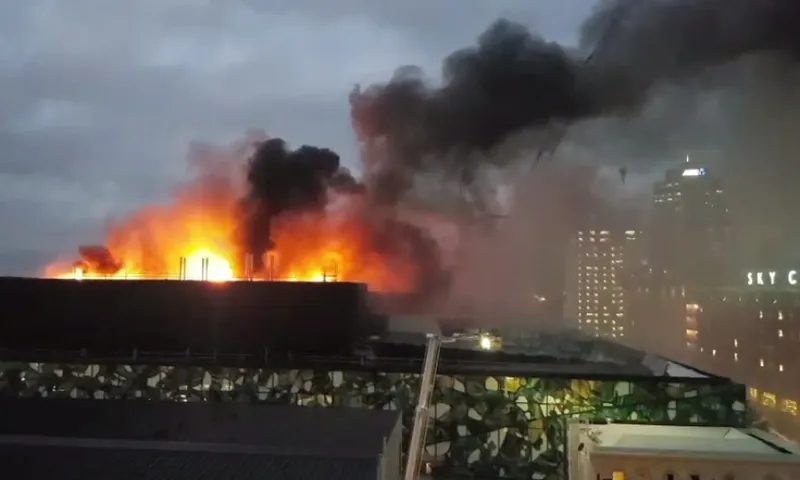
No Fletcher project better encapsulates the risks of modern mega-builds. Conceived as an anchor for Auckland’s business tourism economy, the convention centre became a lightning rod for controversy after a devastating 2019 fire and spiralling costs. Fletcher ultimately absorbed hundreds of millions in losses, turning the project into a cautionary tale about public–private partnerships and the razor-thin margins of large-scale construction.
Christchurch Airport
Christchurch Airport has been rebuilt and expanded multiple times, but Fletcher’s post-earthquake work was particularly significant. In a city traumatised by structural failure, the rebuilding of its main gateway became a symbolic milestone. Fletcher’s involvement helped restore confidence in large commercial construction in a region still reckoning with disaster.
Wynyard Quarter
Remember when Silo Park and surrounds was just a massive tank farm? Auckland’s waterfront didn’t always look like a place for brunch and office towers. The redevelopment of what is now known as Wynyard Quarter was part of a long transition from hard-working port to trendy urban precinct, with Fletcher bridging heavy civil engineering and high-end commercial development.
Lyttelton Road Tunnel
Completed in 1964, the Lyttelton Road Tunnel was mid-century nation-building in concrete form. By linking Christchurch directly to its port, it transformed the region’s economy and mobility. The involvement of Fletcher’s – then known as Fletcher Holdings – placed it firmly within the post-war boom that saw infrastructure as a marker of national progress.
Travelodge Queenstown
New Zealand’s transformation into an international tourism hub required more than just ski slopes and adrenaline activities – it needed beds. In the 1960s, Fletcher’s Travelodge developments helped meet the relentless demand, including in Queenstown, at the time one of the country’s most challenging construction environments. Now known as the Crowne Plaza, the Queenstown site is possibly the town’s most iconic building.
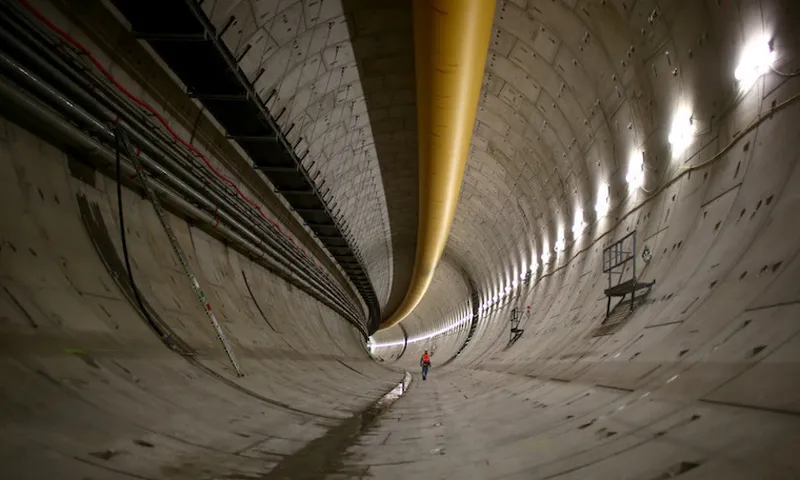
Waterview Tunnel
Opened in 2017, Waterview is New Zealand’s longest road tunnel and one of its most expensive transport projects. Alice, the Waterview Tunnel boring machine, extracted around 800,000 cubic metres of earth, or enough to fill 320 Olympic sized pools. At nearly $1.4 billion, the tunnel was once New Zealand’s most expensive transport project. It finally stitched together Auckland’s motorway network. Now, everywhere in Auckland was seemingly only 20 minutes away from the airport.
National Library of New Zealand
Housing the nation’s written memory comes with serious responsibility. Fletcher delivered a building designed to protect priceless collections from fire, flood and earthquakes – a quiet but critical piece of civic infrastructure. Its design is a distinctive, fortress-like inverted pyramid of concrete, reflecting 1970s brutalist-influenced modernism, intended to protect national treasures. Too bad they just destroyed 600,000 books.
Commercial Bay
Opened just before the pandemic rewrote the rules of office life, Commercial Bay was billed as a new heart for downtown Auckland. The Spinoff’s Duncan Greive called it a “weirdly radical”, a vast, complex development integrating high-end retail and quality food offerings– a symbol of pre-Covid confidence that had the bad luck of opening in the early months of the pandemic. It replaced the much maligned Westfield Downtown and provided central Auckland with a new shopping precinct it could be proud of.

Liam Rātana
Liam Rātana (Ngāti Wairupe/Ngāti Kurī) is editor of The Spinoff's Ātea section. He is passionate about indigenous and minority issues. Liam enjoys cooking, poetry, photography, and exploring the outdoors.


