The bumper year ahead in politics: your handy guide to what’s happening when

You may have heard about this thing called a ‘general election’, but what else is going on in the year of our lord 2026?
What to expect when you’re expecting an election year.
The ‘building the anticipation’ bits
It’s finally here. We’ve had the warm-up year, the practice run year, and now it’s the year of the slow-motion sprint to a finish line with a prize you might not even want. The general election is coming to rule the 2026 political calendar, but park that thought for a second – there are a few loose ends for members of parliament to tie up first.
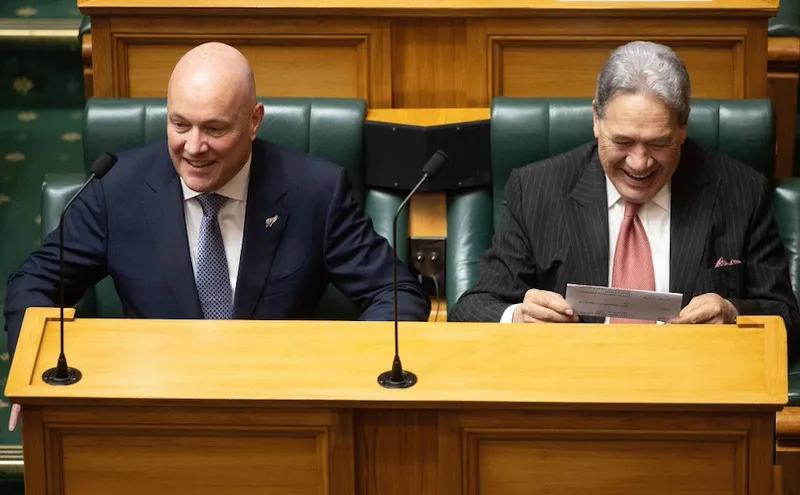
The political year usually gets started near Whanganui on January 25, when MPs (bar Act) head to Rātana Church to mark the birthday of prophet Tahupōtiki Wiremu Rātana. But as he did last year, the prime minister is getting in even earlier to deliver his state of the nation speech, which will lay out the government’s hopes and dreams on January 19 – and might just reveal a date for the upcoming general election (or else, another “year of …”).

If Christopher Luxon doesn’t unveil an election date then, wait just a couple of days for National MPs to head off to Christchurch for their annual caucus meeting on January 21 (with a possible caucus shuffle also on the cards). If both events fail to give us any indication of when New Zealanders will be heading to the polls, we’ll have to sit tight until parliament’s first sitting week kicks off on January 26 – it’s highly likely we’ll know the date before the end of the month.
That first week back for MPs will be followed by a week-long break as the country celebrates Waitangi Day on February 6, though Luxon’s attendance at the Treaty Grounds is yet to be confirmed (last year he controversially marked the day in Akaroa with Ngāi Tahu instead). Any potential absence by the prime minister threatens to be overshadowed by the pre-show entertainment: not Chappell Roan at Laneway, but the full court hearing into whether the expulsion of Te Pāti Māori MP Mariameno Kapa-Kingi was unlawful, which is scheduled for February 2.
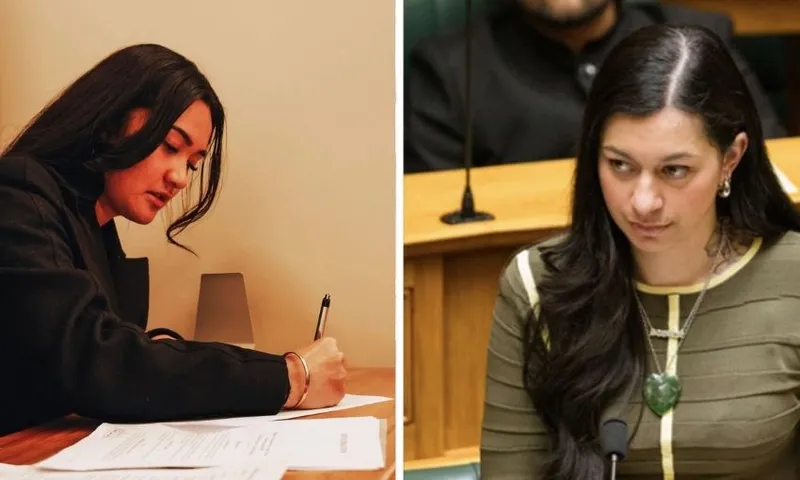
Back to Waitangi: stay tuned for a joint announcement from Te Pāti Māori MP Hana Rawhiti Maipi Clarke and Green MP Tamatha Paul. Details are scarce, but don’t hold your breath for the beginnings of a second Te Pāti Māori.
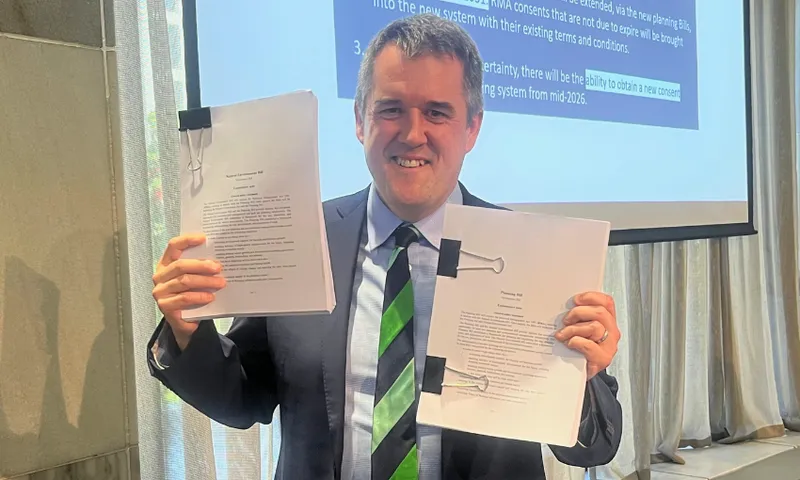
Slightly further down the track, the Planning and Natural Environment Bills – sister replacements to the Resource Management Act – as well as the Crimes Amendment Bill, which creates new offences for coward punches and assaults on first responders, will likely be making headlines when they’re heard by the relevant select committees.
The ‘it’s ramping up’ bits
Around the tail-end of May or beginning of June, finance minister Nicola Willis will present Budget 2026. Health, education and law and order are at the top of the government’s priority list here – but with the operating allowance still at $2.4bn, promises of a “leaner public service” and a return to surplus on hold for another year, expect more trim than fat.
Also due to take place some time in the first half of the year is the signing of our free trade agreement with India. Among the promises is a removal or reduction of tariffs on 95% of exports, but the “rushed through” deal hasn’t impressed NZ First leader Winston Peters, who reckons further negotiations would cut New Zealand a better deal. With Act the only coalition party supporting the FTA, opposition backing will be needed to get the agreement over the line – the Labour caucus has said it will decide on its stance early this year.
There are also a few major inquiries and reports waiting in the wings. The Royal Commission of Inquiry into Covid-19 Lessons Learned releases its phase two final report in February, while the Department of Internal Affairs’ much anticipated public inquiry into the disappearance of Tom Phillips’ children is due on July 21. Meanwhile, the Climate Commission’s first risk assessment is due in April, before it unveils a progress report on our National Adaptation Plan in August, which will show us how well the country is adapting to climate change.
With the election looming, the government’s need to get through the last of its workload before a potential changeover will take precedence in parliament. High-priority bills include the Planning and Natural Environment Bills, as well as the Referendum Frameworks and Term of Parliament Bills, which will let New Zealanders vote in a referendum on extending our parliamentary term to four years. Though introducing legislation on a four-year term is embedded in the coalition agreement, the Act Party may withhold support if its calls for select committee safeguards aren’t accepted.
And, in an election year, parliament’s standing orders – its rule book – gets an update. The Standing Orders Committee has highlighted improvements to international treaties, as well as improved legislative and financial scrutiny, as priority changes. Amendments proposed in submissions include restricting how often parliament sits under urgency, as well as changes to the select committee process, like lengthening submission times and improving processing for large numbers of submissions.
The ‘holy shit it’s showtime’ bits
Election, election, election. While the campaign will likely feel like it’s in full swing by mid-year, those six to eight weeks before election day will be crunch time. That’s when you expect to tune into televised live debates, before party manifestos are published and nomination day, which happens about 20-25 days before the election, sees party lists and nominations formalised.
And with so much to get through before getting to the polls, New Zealanders could very likely be looking at a late election date – perhaps, say, November 7, as one political prophet has predicted. If such is the case and coalition talks are dragged out for weeks afterwards, Christopher Luxon will see out the rest of the sitting year in a caretaker capacity before a new prime minister is announced.

Election year will also look slightly different to the one before, given the passing of the Electoral Amendment Bill late last year. Advance voting opens 12 days before election day, but enrolments will close 13 days before. If you’re a dropkick, make sure you get yourself organised to follow the law.

Lyric Waiwiri-Smith
Lyric is an award-nominated politics reporter at The Spinoff. She covers parliament from the press gallery, pens the weekly column One MP, One Pint and is endlessly curious about what makes our decision-makers tick. Off the clock, Lyric loves a live gig, a cold brew, and being a Wellingtonian (on a good day).


